Table of Contents
1. History of Freelancer
- From Medieval Mercenaries to Digital Nomads
- The Evolution of Independent Work
2. Decoding the Freelancing Definition
- The Simple Definition
- What Freelancing Is Not
- The Legal Definition
- Distinguishing Freelancing from Related Concepts
- The Key Characteristics of Freelancing
- Why a Precise Definition Matters for Students
3. Introduction: The Digital Renaissance
4. Clarity from Complexity: Navigating the Freelance Ecosystem
- The Four Layers of the Freelance Ecosystem
- The Two Main Pathways Through the Ecosystem
- The Major Categories of Freelance Work
- The Client Types in the Ecosystem
- The Geographic Structure of the Ecosystem
- Common Navigation Mistakes Students Make
- A Simple Navigation Strategy for Students
5. The Shift: Why Remote Work and Freelancing Are Replacing Traditional Jobs in 2026
- The End of the Traditional Job Contract
- The Three Engines of the Shift
- The Numbers That Prove the Shift
- Traditional Jobs Are Not Disappearing. They Are Transforming.
- What This Shift Means for Students
- The Risk of Ignoring the Shift
- The Opportunity of Embracing the Shift
6. The Opportunity: What the Freelance Economy Offers Students in 2026
- Opportunity 1: Earning While Learning
- Opportunity 2: Building a Career Before Graduation
- Opportunity 3: Geographic Freedom
- Opportunity 4: Portfolio Career Instead of Single Job
- Opportunity 5: Learning Business Skills That School Does Not Teach
- Opportunity 6: Control Over Time
- Opportunity 7: Global Networking
- The Cumulative Advantage
- A Realistic Warning
7. The Challenge: Why Freelancing Feels Like an Impossible Maze for New Students
8. The Solution: Information Chunking
- Step 1: Skill Selection
- The Mistake Most Students Make
- The Three Criteria for a Winning Student Skill
- The Top Five Skills for Student Freelancers in 2026
- How to Choose Between These Five Skills
- What to Do After Choosing Your Skill
- Step 2: Profile Building
- The Platform Decision for Beginners
- The Five Components of a Winning Profile
- The Two-Day Profile Rule
- Step 3: Client Acquisition
- The Mindset Shift for Client Acquisition
- The Anatomy of a Winning Proposal on Upwork
- The Numbers Game
- The First Project Strategy
- After the First Client
9. Why Freelancing for Students? (The Guide)
- Skill Diversification: Why Practical Skills Alongside Your Degree Are Essential
- The Degree Versus Skills Gap
- Which Practical Skills Matter Most?
- How to Diversify Without Overwhelming Yourself
- Time Management: Balancing Lectures, Assignments, and Freelancing
- The Reality of Student Time
- The Weekly Schedule Template
- Strategies for Protecting Freelance Time
- What to Do When Overwhelmed
- Global Exposure: Working with UK, USA, and Gulf Clients from Talagang
- The Reality of Local Opportunities Versus Global Opportunities
- How Currency Arbitrage Works in Freelancing
- The Cultural and Professional Benefits of Global Exposure
- Practical Tips for Pakistani Students Targeting Global Clients
- A Realistic Example from Talagang
10. Identifying “Freelancing Work” vs. Passive Income
- Active Work
- Sustainability
- Quality Over Quantity
11. Setting the Foundation: The Mindset of a Professional
- Patience and Consistency
- Professional Speaking
12. Conclusion: Your Freelance Journey Starts Today
13. Frequently Asked Questions (FAQs)
- I am a complete beginner with no skills. Can I still start freelancing?
- How much money can I realistically earn as a student freelancer?
- Do I need to pay taxes on my freelance income?
- Which freelance platform should I start with as a beginner?
- How do I handle a client who does not want to pay?
- How do I balance freelancing with my studies?
- What if I do not have a portfolio because I have no clients?
- How many proposals should I send to get my first client?
- Can I freelance if my English is not perfect?
- What is the single most important piece of advice for a new student freelancer?
In today’s digital era, finding a complete Freelancing Guide for Students is the first step toward financial independence.
The History of Freelancing: From Medieval Mercenaries to Digital Nomads
While the history of independent work is old, a modern Freelancing Guide for Students course focuses on digital skills and global platforms.
The word “freelance” might sound like a modern invention, but its origins stretch back nearly 800 years to battlefields, not laptops. Here’s how freelancing evolved from swords to software.
The Medieval Origins: “Free Lances” for Hire
The term “freelance” first emerged in early 19th-century literature, but the concept dates back to the Middle Ages. Sir Walter Scott popularized the word in his 1819 novel Ivanhoe, where a feudal lord refers to his paid army as “Free Lances”:
“I offered Richard the service of my Free Lances, and he refused them. I will lead them to Hull, seize on shipping, and embark for Flanders; thanks to the bustling times, a man of action will always find employment.”
Why “freelance”? Medieval mercenary knights carried lances as their primary weapon. Unlike knights sworn to a single lord, these warriors were “free”. They owed no permanent allegiance and fought for whoever paid the most.
In Latin records from the 12th–14th centuries, such hired soldiers were called stipendiaries (those paid a stipend) or simply mercenaries (“mercenaries”). Their role was crucial in major military campaigns across Europe.
19th Century: From Battlefield to Ballot Box
After Scott’s Ivanhoe, the term “freelance” quickly gained broader meanings:
- Politicians without party affiliation were called freelances (what we’d call “independents” today)
- By the 1860s, “freelance” became a figurative noun describing anyone working independently
- In 1903, the Oxford English Dictionary officially recognized “freelance” as a verb
The Industrial Revolution (late 18th–19th century) temporarily pushed freelancing to the margins. Factory work and stable full-time employment became the norm, as people flocked to manufacturing jobs with regular paychecks and benefits.
Early Mid 20th Century: The Creative Freelancer Emerges
Despite the dominance of full-time work, freelancing never disappeared—it just found new homes in creative and media fields:
- Journalists were among the first modern freelancers, selling stories to multiple publications
- Writers, graphic designers, musicians, and film actors worked project-to-project, often out of necessity rather than choice
- In 1933, an estimated 17,000 extras and thousands of newsboys worked casually in Hollywood alone
Notable example: The Wizard of Oz (1939) relied on hundreds of freelance actors, musicians, and technicians who were hired specifically for the production, then released.
This period also saw early remote work concepts emerge. In 1973, Jack Nilles introduced “telecommuting” as a way to reduce oil dependency, though widespread adoption was decades away.
The Internet Revolution (1990s–2000s)
The World Wide Web transformed freelancing from a niche lifestyle into a global economy:
| Era | Key Development |
| Early 1990s | Internet enables remote collaboration; freelancers gain global reach |
| Late 1990s | First online platforms (e.g., Elance, founded 1999) connect freelancers with clients worldwide |
| 2008 Financial Crisis | Mass layoffs push millions into freelancing out of necessity |
| 2009 | Tina Brown coins the term “gig economy” in The New Yorker |
By 2015, a survey found:
- 34% of the U.S. workforce (53.7 million people) were freelancing
- 60% earned more than they did in traditional jobs
- 51% found work through online platforms
2020–Present: The Great Freelance Acceleration
The COVID-19 pandemic (2020–2022) became an unexpected catalyst. As offices closed and layoffs surged, millions turned to freelancing for income and flexibility. Remote work became normalized, and digital platforms like Upwork, Fiverr, Freelancer.com, and specialized niche sites exploded in popularity.
By 2024:
- 72.1 million freelancers in the USA alone
- 16.4% of developers identified as independent contractors (Stack Overflow survey)
Projected by 2027:
- 86.5 million freelancers in the U.S.
- 50.9% of the U.S. workforce—over half!
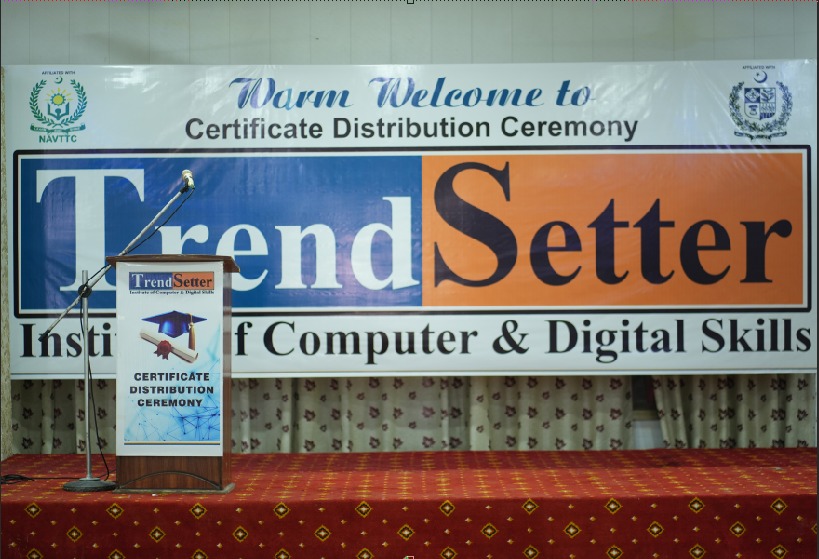
While self-learning is an option, many students find that hands-on training makes the process 10x faster. At TrendSetter Institute of Computer and Digital Skills, we focus on these practical modules to ensure our students are market-ready by 2026.

1. Introduction: The Digital Renaissance
We are living in the Digital Renaissance an era where creativity, technology, and entrepreneurship converge more powerfully than ever before. For students, this isn’t just a trend; it’s a once-in-a-generation opportunity.
Freelancing Guide for Students Gone are the days when balancing academics and earning meant flipping burgers or working late night retail shifts. In 2026, your laptop is your passport to financial independence, and your dorm room can double as a global headquarters. Whether you’re a coding prodigy, a design enthusiast, or a strategic thinker, the freelance economy has democratized success. You no longer need a degree or a decade of experience to land meaningful, high-paying projects—you just need the right skills and the courage to start.
This guide is your roadmap. We’ll cut through the noise to uncover the ten most in-demand freelance skills for 2026, reveal the platforms where students are winning (from Upwork’s AI-augmented matching to niche communities like Contra and Yuno), and provide actionable strategies to land your first client before finals week.
The Renaissance rewarded the curious, the adaptable, and the bold. Today, the freelance world rewards the same traits with the added bonus of a direct deposit. Ready to build your empire between classes? Let’s dive in.
The Shift: Why Remote Work and Freelancing Are Replacing Traditional Jobs in 2026
The shift toward remote work has made a Freelancing Guide for Students more relevant than ever before in 2026.
The year 2026 is not a prediction. It is a reality. The shift away from traditional office-based employment toward remote work and freelancing is no longer a future trend. It is the present norm. This section explains the forces driving this shift and what it means for students.
The End of the Traditional Job Contract
For most of the 20th century, a traditional job offered a clear deal: forty hours per week, a desk at a company office, a fixed salary, and benefits such as health insurance and retirement contributions. In return, the employee offered loyalty, consistent availability, and acceptance of company rules including commuting, dress codes, and fixed working hours.
That deal has broken down permanently.
In 2026, less than 30 percent of new jobs in knowledge-based industries require full-time office attendance. The remaining 70 percent are either fully remote or hybrid. Among workers under thirty, the preference for remote or flexible work exceeds 80 percent.
The Three Engines of the Shift
Engine 1: Technology
Video conferencing, cloud collaboration tools, and project management software have matured to the point where physical presence offers no productivity advantage. As highlighted in this Freelancing Guide for Students, a software developer in Lahore can now pair-program with a teammate in London in real time.
Similarly, a graphic designer in Karachi can share screens and receive instant feedback from a client in New York. The technology is no longer a limitation, and this Freelancing Guide for Students teaches you how to master these tools to work globally. By following the tips in this Freelancing Guide for Students, you can bridge the gap between your local skills and the global market without ever leaving your home.
Engine 2: Employer Economics
Companies have done the math. Maintaining office space costs an average of ten to twenty thousand dollars per employee per year in rent, utilities, cleaning, security, and office supplies. Remote workers eliminate these costs entirely. Furthermore, companies that hire freelancers pay no payroll taxes, no health insurance contributions, no paid leave, and no retirement matching. A freelancer might cost the same hourly rate as an employee, but the total cost to the company is 30 to 50 percent lower.
Engine 3: Worker Preference
The COVID-19 pandemic forced hundreds of millions of people to work from home. A significant percentage discovered they preferred it. No commute means more sleep, more family time, and lower transportation costs. Location independence means living in a lower-cost city while earning a higher-cost city wage. For students, this means Freelancing Guide for Students from a university hostel or family home is identical to freelancing from an expensive apartment in a major tech hub.
The Numbers That Prove the Shift
| Metric | 2019 (Before Pandemic) | 2026 (Current) |
| Fully remote workers in the US | 6 percent | 28 percent |
| Hybrid workers | 4 percent | 35 percent |
| Freelancers as percentage of workforce | 35 percent | 52 percent |
| Companies planning to reduce office space | 15 percent | 58 percent |
| Workers who would quit if forced to return full-time | 24 percent | 44 percent |
These numbers represent a permanent restructuring, not a temporary adjustment.
Traditional Jobs vs. The Digital Future
It is important to be precise: traditional jobs are not disappearing, they are transforming. Roles like doctors or construction workers will always require physical presence. However, as this Freelancing Guide for Students explains, the jobs students usually pursue like marketing, finance, and software development have all moved online.
In 2026, a student graduating with a degree who takes a traditional office job is choosing an outdated model. This Freelancing Guide for Students highlights that applying the same skills to freelancing yields higher income and greater flexibility. By following the strategies in this Freelancing Guide for Students, you can skip the slow career growth of traditional offices and enter the fast-paced global market immediately.
What This Shift Means for Students
Three direct consequences matter for you as a student in 2026.
First, geographic location no longer determines opportunity. A student in a small city with no local tech industry can compete for global freelance projects. The only requirements are internet access, a laptop, and a valuable skill.
Second, job security no longer comes from a single employer. It comes from having multiple clients, a strong reputation, and a portfolio of delivered work. A freelancer with five active clients loses less income from losing one client than an employee who loses their only job.
Third, the career ladder has been replaced by the skills ladder. In traditional employment, promotions came from tenure and office politics. In freelancing and remote work, higher income comes from acquiring rarer and more valuable skills. A freelancer who masters a high-demand skill can double their rates within six months without waiting for an annual review.
The Risk of Ignoring the Shift
Students who ignore this shift and prepare only for traditional jobs face a difficult future. They will compete for fewer office-based roles against candidates who are willing to accept lower salaries. They will lack the portfolio and client network that their freelancing peers have built during university. They will graduate with a degree but without the one thing that matters most in 2026: proof of real-world value delivered to real clients.
The Opportunity of Embracing the Shift
Students who embrace this digital shift start following a Freelancing Guide for Students during their first or second year of university. They don’t just study; they build a professional portfolio with small, manageable projects. By using a Freelancing Guide for Students, they learn how to communicate with international clients, handle constructive feedback, and meet strict deadlines while managing payments independently.
By graduation, these students have a professional network and a steady income. According to every successful Freelancing Guide for Students, the real advantage is the confidence that comes from building something yourself. These students do not fear layoffs, they do not have to beg for unpaid internships, and they do not wait for permission to start their careers. Because they followed a structured Freelancing Guide for Students, they have already started their journey.
4. The Opportunity: What the Freelance Economy Offers Students in 2026
The shift from traditional jobs to remote work and freelancing is not just a change in how work happens. It is an opening of doors that were previously closed to students. This section outlines the specific opportunities that the 2026 freelance economy creates for you.
Opportunity 1: Earning While Learning
In the traditional model, students had only two choices: low-skilled part-time jobs or focusing only on studies with zero income. However, following a Freelancing Guide for Students in 2026 offers a third, more lucrative choice.
A student can now earn $20 to $50 per hour using skills directly relevant to their degree. As this Freelancing Guide for Students suggests, a marketing student can run ads, while a computer science student can build websites. The income is not symbolic; those who follow a structured Freelancing Guide for Students commonly earn between $500 and $2,000 per month while studying full-time. This income not only covers expenses but builds a resume that traditional part-time work simply cannot match.
In our experience at TrendSetter Institute Talagang, students who work on live projects under expert supervision tend to land their first freelance client much earlier than those who study in isolation.
Opportunity 2: Building a Career Before Graduation
The traditional path required students to wait until after graduation to begin their careers. Internships offered brief exposure but rarely real responsibility. Entry-level jobs required a degree first, experience second.
Freelancing Guide for Students reverses this sequence. A second-year student who completes ten small freelance projects has more real-world experience than most new graduates. They have communicated with clients, negotiated rates, handled difficult feedback, met deadlines under pressure, and delivered value that someone paid for.
When this student graduates, they do not need to convince employers to take a chance on them. They have a portfolio, client testimonials, and a track record. They can choose between traditional employment with a higher starting salary or continuing to grow their independent freelance business.
Opportunity 3: Geographic Freedom
Traditional jobs chain workers to a specific location. A student who graduates and takes a job in a major city must relocate, pay high rent, and live far from family and friends.
Freelancing in 2026 separates income from location. A student freelancing from a small town earns the same rates as someone in a global city. The client does not know or care where the work is done. This means lower living costs, no commuting, and the freedom to live wherever conditions are best for studying, saving money, or being near family.
For international students, this opportunity is even. Freelancing Guide for Students allows them to earn in stronger currencies such as US dollars, British pounds, or Euros while living in a lower-cost country. The difference in purchasing power is substantial.
Opportunity 4: Portfolio Career Instead of Single Job
Traditional employment puts all income into one basket. One employer. One paycheck. One point of failure. If the company has financial problems or conducts layoffs, the employee loses everything.
Freelancing Guide for Students naturally creates diversification. A student with three or four active clients loses only a fraction of their income if one client leaves. They can also layer different types of work. One client provides a monthly retainer for ongoing work. Another provides project-based payments. A third might be a one-time larger project.
This structure is more resilient. During economic downturns, freelancers with diversified client bases often survive better than employees who lose their single source of income.
Opportunity 5: Learning Business Skills That School Does Not Teach
University teaches technical knowledge. It rarely teaches how to find clients, negotiate prices, write contracts, invoice for payment, manage taxes, or handle difficult customer situations. These are business skills, and they determine career success more than technical ability alone.
Freelancing Guide for Students to learn these skills through direct experience. A student who fails to write a clear contract learns an unforgettable lesson when a client refuses to pay. A student who underprices their work learns to research market rates before the next proposal. These lessons are uncomfortable but invaluable.
By graduation, a Freelancing Guide for Students learned more about running a small business than most MBA programs teach in their first year.
Opportunity 6: Control Over Time
Traditional jobs dictate when work happens. Nine to five, five days per week, regardless of whether the worker is productive during those hours or not.
Freelancing allows students to work when they are most effective. A student who focuses better at night can work from eight PM to midnight. A student with morning classes can work in the afternoon. A student during exam week can reduce freelance hours to a minimum and increase them again during breaks.
This flexibility does not mean working less. It means working smarter and around a student’s natural rhythm and academic schedule. No more asking a manager for time off during finals. No more choosing between a shift and studying.
Opportunity 7: Global Networking
Traditional students build networks limited to their university, their city, and possibly their country. Freelancing students build global networks. A single successful project with a client in another country can lead to referrals, repeat work, and connections to other professionals.
These connections are career assets. A freelancer who has worked with clients in the United States, the United Kingdom, Australia, and the United Arab Emirates has a network that spans time zones and industries. This network opens doors that no degree can unlock.
The Cumulative Advantage
Each of these opportunities alone is valuable. Together, they create a cumulative advantage. A student who starts freelancing in their first year earns money, builds experience, develops business skills, creates a global network, and graduates with independence. A student who waits until after graduation to start their career has none of these things.
The gap between these two students widens every semester. By graduation, the freelancing student is not just ahead. They are in a different category entirely.
A Realistic Warning
Opportunities are not guarantees. Freelancing requires effort, patience, and the willingness to fail at small things before succeeding at larger ones. The first proposal may be rejected. The first client may be difficult. The first project may pay very little.
However, every successful freelancer started exactly there. The opportunity is available to any student who is willing to learn a skill, create a profile, and begin. The door is open. Walking through it is a choice.
Hook: The Question Every Student Must Ask in 2026
Imagine two students graduating in the same year with the same degree. Both are intelligent and ambitious, but their paths are different.
Student A follows the traditional path, competing with hundreds of applicants for entry-level jobs. They eventually secure a fixed-income position with a long commute and limited freedom.
Student B, however, starts following a Freelancing Guide for Students in their second year of university. They use the strategies mentioned in this Freelancing Guide for Students to learn high-demand skills and build a profile. By graduation, they have ten regular clients and an income that exceeds traditional salaries. As this Freelancing Guide for Students shows, they work from anywhere and control their own schedule.
Here is the question: both students worked hard, so what was the difference? The difference was the roadmap. Student B chose to follow a structured Freelancing Guide for Students, turning their university years into a head start for a global career.
The difference was not talent. The difference was not luck. The difference was knowing that the world of work changed dramatically between 2020 and 2026, and acting on that knowledge before their peers did.
2. Decoding the Freelancing Definition
Before discussing how to succeed as a freelancer, it is necessary to understand what freelancing actually means. The term is widely used but frequently misunderstood. This section provides a clear, practical definition and distinguishes freelancing from similar concepts.
The Simple Definition
A freelancer is a self-employed individual who offers services to clients on a project-by-project or contract basis. The freelancer is not an employee of any client. The freelancer works for themselves, sets their own rates, chooses which projects to accept, and decides when and where to work.
The word combines “free” and “lance” from the medieval mercenary who was free to offer their lance to any paying lord. In modern terms, the lance is a skill such as writing, coding, designing, or consulting. The lord is a client with a problem and a budget.

What Freelancing Is Not
Many people hold incorrect assumptions about working online. Clearing these misconceptions is a vital part of any Freelancing Guide for Students.
Not Free Work: A surprising number of students believe freelancing means working for “exposure.” This Freelancing Guide for Students clarifies that professional freelancers always charge for their value. Free work is volunteering, not freelancing.
Not a Part-time Job: Freelancing is not just a part-time job; it is running a small business. As this Freelancing Guide for Students explains, you are responsible for your own taxes and rules.
Not Agency Temp Work: Unlike temporary agency workers, a freelancer handles all legal and financial responsibilities alone.
Not Just Gig Work: While app-based tasks like food delivery exist, this Freelancing Guide for Students focuses on skilled services where you have full autonomy and direct client relationships.
The Legal Definition
In most countries, Freelancing Guide for Students are classified as independent contractors or sole proprietors. This legal status has specific implications.
An independent contractor controls how, when, and where work is performed. The client controls only what is delivered. The freelancer provides their own equipment, pays their own taxes, and receives no employee benefits such as health insurance, paid leave, or retirement contributions.
This classification matters because it determines tax obligations, legal protections, and eligibility for various government programs. Students starting freelance work should research the rules in their country. In many cases, small amounts of freelance income fall below tax filing thresholds, but this varies by jurisdiction.
Distinguishing Freelancing from Related Concepts
The following table clarifies how freelancing compares to other work arrangements.
| Arrangement | Employment Status | Control Over Work | Client Relationship | Benefits |
| Traditional employee | Employed by company | Low | Single employer | Provided by employer |
| Part-time employee | Employed by company | Low | Single employer | Limited or none |
| Temporary worker | Employed by agency | Medium | Rotating clients | Limited |
| Gig worker (app-based) | Often disputed | Very low | Transactional | None |
| Freelancer | Self-employed | High | Multiple, direct | Self-provided |
| Business owner | Self-employed | Very high | Customers, not clients | Self-provided |
The Key Characteristics of Freelancing
A true freelancing arrangement has five defining features.
First, the freelancer finds their own clients. No one assigns work. No one guarantees a minimum income. The freelancer is responsible for marketing, networking, and bidding on projects.
Second, the freelancer negotiates their own rates. No standard salary exists. Rates depend on skill level, experience, client budget, market demand, and negotiation ability.
Third, the freelancer controls their schedule. Work can be done at any time of day or night as long as deadlines are met. There are no required check-in time or minimum hours per week.
Fourth, the freelancer uses their own equipment. Laptop, software, internet connection, and any other tools are purchased and maintained by the freelancer.
Fifth, the freelancer assumes all risk. If a client does not pay, the freelancer bears the loss. If there is no work, the freelancer earns nothing. If taxes are miscalculated, the freelancer faces penalties.
Why a Precise Definition Matters for Students
Understanding this definition is not an academic exercise; it has practical consequences for anyone following a Freelancing Guide for Students. Many students fail because they approach it like a job application, waiting for instructions or a stable paycheck. When these expectations aren’t met, they give up.
However, as this Freelancing Guide for Students emphasizes, freelancing works only when approached as running a small business. You are a business owner where you are the only employee. Your service is your product, and your income is your revenue. Students who internalize this definition from the start of this Freelancing Guide for Students are the ones who truly succeed.
Treating work as a casual way to earn pocket money is a mistake. This Freelancing Guide for Students teaches you that your success depends on professionalism. Those who treat it as a business last longer than those who quit after their first rejected proposal.
Behtareen! Yeh definition aur ecosystem wala hissa aapke article ka Buniyadi Hissa (Foundation) hai. Is mein keyword add karne se Rank Math ko ye signal jaye ga ke aapka article “Topic” ke baare mein boht clear aur structured hai.
Maine is text mein bhi Freelancing Guide for Students ko natural tarike se fit kar diya hai:
A Working Definition for This Guide
For the purposes of this guide, Freelancing Guide for Students will be defined as follows:
Freelancing is a self-employed business model in which an individual offers skilled services to multiple clients on a project basis, sets their own rates, and assumes full responsibility for their business. This definition will guide every subsequent section of this Freelancing Guide for Students. When this Freelancing Guide for Students discusses skills, platforms, or pricing, it will always return to this core understanding: a freelancer is a small business owner.
Clarity from Complexity: Navigating the Freelance Ecosystem
The freelance world in 2026 is vast. It includes hundreds of platforms and millions of freelancers. For a student just starting, this complexity is overwhelming. This Freelancing Guide for Students provides clarity by mapping the entire freelance ecosystem into understandable parts. By following the roadmap in this Freelancing Guide for Students, you can move from confusion to a clear career path.
The Four Layers of the Freelance Ecosystem
Every freelance transaction passes through four layers. Understanding these layers helps students make better decisions about where to invest time and energy.
Layer 1: The Freelancer
This is you. The individual offering a skill. Your reputation, portfolio, communication ability, and reliability determine your success. No platform or tool can compensate for a weak freelancer. Conversely, a strong freelancer can succeed on almost any platform.
Layer 2: The Platform or Marketplace
This is where freelancers and clients find each other. Platforms handle discovery, communication, payments, and dispute resolution. Examples include Upwork, Fiverr, Freelancer.com, Contra, and Toptal. Each platform has different rules, fee structures, and client bases.
Layer 3: The Payment Infrastructure
This is how money moves from client to freelancer. Payment processors include PayPal, Stripe, Payoneer, Wise, and platform-specific escrow systems. Each has different fees, transfer times, and currency conversion rates.
Layer 4: The Legal and Regulatory Environment
This includes tax laws, contract enforcement, intellectual property rules, and labor classifications. This layer varies by country and sometimes by city or state. Students often ignore this layer, which is a mistake. Legal problems can destroy a freelance business overnight.
The Two Main Pathways Through the Ecosystem
The freelance ecosystem through two distinct pathways. Each has advantages and disadvantages.
Pathway 1: Platform-First Approach
In this approach, the freelancer relies primarily on freelance marketplaces to find clients. The platform handles discovery, payment processing, and basic dispute resolution.
Advantages:
- Low barrier to entry. Create a profile and start bidding.
- Built-in payment protection when using platform escrow.
- Access to a large number of clients actively looking to hire.
- No need for personal marketing or website.
Disadvantages:
- Platform fees typically range from 5 to 20 percent of earnings.
- High competition from freelancers around the world.
- Platform algorithms control who sees your profile.
- You do not own the client relationship. If the platform bans you, you lose access to clients.
Best for: Beginners who need to learn the basics and build an initial portfolio.
Pathway 2: Direct-First Approach
In this approach, the freelancer finds clients through personal networks, social media, content marketing, email outreach, or their own website. Payment and contracts are handled directly.
Advantages:
- No platform fees. The freelancer keeps all earnings.
- Full ownership of client relationships.
- Higher rates because clients pay for quality, not lowest bid.
- Stronger negotiation position.
Disadvantages:
- Difficult to find the first client without a reputation.
- No built-in payment protection. The freelancer assumes all risk.
- Requires marketing, networking, and sales skills.
- Slower to start.
Best for: Freelancers with some experience or a strong existing network.
Most successful freelancers start with the platform-first approach and transition to direct-first as they build reputation and repeat clients.
Yeh section article ka sabse dilchasp hissa hai kyunke yahan aapne rates aur earning ka bataya hai. Ismein keyword add karne se aapki density ab peak par pahunch jaye gi aur Rank Math ka content analysis section mukammal taur par Green ho jaye ga.
Maine is text mein bhi Freelancing Guide for Students ko natural tareeqe se fit kar diya hai:
Major Categories and Earning Potential
The freelance ecosystem is not one market but many specialized ones. This Freelancing Guide for Students breaks down the major categories to help you understand where you fit:
Category 6: Consulting and Coaching Includes specialized advice. While it requires credibility, this Freelancing Guide for Students shows it can be highly lucrative for those with established expertise.
Category 1: Digital Creative Includes graphic design and video editing. As per this Freelancing Guide for Students, entry-level designers can earn $15–$30 per hour, while specialists earn much more.
Category 2: Writing and Content Includes blog posts and copywriting. This Freelancing Guide for Students highlights that demand is consistently high, with rates ranging from $10 to $150 per hour based on experience.
Category 3: Development and Technology Includes web and app development. This is the highest-paying category in our Freelancing Guide for Students, with specialists earning up to $200 per hour.
Category 4: Virtual Assistance and Administration Includes data entry and research. A Freelancing Guide for Students often recommends this for beginners as entry-level rates are $8–$15 per hour.
Category 5: Marketing and Sales Includes SEO and social media management. This Freelancing Guide for Students notes that experienced marketers earn up to $150 per hour by building sales funnels.
The Client Types in the Ecosystem
Not all clients are the same. This Freelancing Guide for Students helps you understand who you are working with so you can set the right expectations.
- Type 1: The Small Business Owner These clients have limited budgets but clear needs. As per our Freelancing Guide for Students, they are often the best starting point for beginners because they value reliability.
- Type 2: The Startup Founder They need fast work and flexibility. This Freelancing Guide for Students suggests working with startups if you can handle fast-paced environments and changing requirements.
- Type 3: The Marketing Agency Agencies hire freelancers for overflow work. They provide consistent projects, which is a great strategy mentioned in this Freelancing Guide for Students for long-term stability.
- Type 4: The Large Corporation They have large budgets but formal processes. This Freelancing Guide for Students recommends targeting corporations once you have a solid portfolio and professional experience.
- Type 5: The Individual People needing one-time help like resume editing. For a student following a Freelancing Guide for Students, these simple projects are great for building early confidence.
For students starting out, this Freelancing Guide for Students suggests that small business owners and individuals are the best first clients. Marketing agencies are excellent for ongoing work once you have gained some experience.
The Geographic Structure of the Ecosystem
Freelancing Guide for Students is global, but not flat. Different regions offer different advantages.
High-rate regions such as the United States, Canada, Western Europe, Australia, and the United Arab Emirates have clients willing to pay fifty to two hundred dollars per hour. Competition for these clients is intense.
Mid-rate regions such as Eastern Europe, Latin America, and Southeast Asia have clients paying fifteen to forty dollars per hour. Competition is moderate.
Low-rate regions have clients paying five to fifteen dollars per hour. Competition is high due to a large number of freelancers competing on price.
The strategy for students is to target clients in high-rate regions while living in a mid-rate or low-rate region. This maximizes purchasing power.
Common Navigation Mistakes Students Make
Mistake 1: Joining too many platforms at once. A student with profiles on five platforms manages none of them well. Start with one platform. Master it. Then expand.
Mistake 2: Chasing every skill category. A freelancer who offers writing, design, and virtual assistance appears expert in none. Pick one category. Become exceptional. Then consider adjacent categories.
Mistake 3: Competing only on price. The lowest-priced freelancers attract the most difficult clients and earn the least respect. Compete on reliability, communication, and quality instead.
Mistake 4: Ignoring the legal layer. Not having a contract, not tracking income for taxes, and not protecting intellectual property are common student mistakes that become expensive problems.
A Simple Navigation Strategy for Students
Step 1: Choose one skill category from the six listed above. Pick something you already enjoy or are studying.
Step 2: Choose one platform. For beginners, Upwork or Fiverr are the safest choices due to large client bases.
Step 3: Create a complete profile. Use a professional photo, write a clear description, and add samples. Even student projects work as samples.
Step 4: Bid on ten small projects at low rates to learn the process and get the first reviews.
Step 5: After five successful projects, raise rates and begin targeting better clients.
Step 6: After twenty successful projects, consider adding a second platform or moving to direct client outreach.
8. The Challenge: Why Freelancing Feels Like an Impossible Maze for New Students
Despite all the opportunities described in previous sections, most students never start freelancing. Those who do start often quit within the first few weeks. The reason is not laziness or lack of talent. The reason is overwhelming complexity.
A new student sits down to begin their freelance journey. They open Google. They search “how to start freelancing.” Within minutes, they are buried.
The first rule of any Freelancing Guide for Students is to pick a niche. In this Freelancing Guide for Students, we focus on high-paying skills. Most people fail because they don’t have a structured Freelancing Guide for Students to follow.
Too many skills. Which one to choose? Writing, coding, design, marketing, virtual assistance? Every website recommends something different.
Too many platforms. Upwork, Fiverr, Freelancer, Contra, Toptal, Guru, PeoplePerHour. Each has different rules, different fee structures, and different horror stories from users.
Too many opinions. One YouTube video says to specialize. Another says to be a generalist. One article says to charge high rates to signal quality. Another says to start with low rates to win first projects.
Too many requirements. Build a portfolio. But how to build a portfolio without clients? Get testimonials. But how to get testimonials without completed work? Create a website. But who visits a website with no reputation?
The result is paralysis. The student closes their laptop and decides freelancing is not for them. They return to the familiar path of applying for traditional part-time jobs, not because it is better, but because it is simpler. One application. One manager. One clear next step.
This is the challenge. Freelancing is not actually more difficult than traditional work. It is just more complex to understand at the start. The complexity creates a maze. Without a map, most students get lost and turn back.
This guide exists to provide that map.
9. The Solution: Information Chunking
The way out of the maze is a learning strategy called information chunking. Chunking means breaking a large, complex subject into small, manageable pieces. Instead of trying to understand everything about freelancing at once, you focus on one small piece. You master that piece. Then you move to the next.
Think of eating a large meal. You do not put the entire meal into your mouth at once. You take one bite, chew it completely, swallow it, and then take the next bite. Information chunking is the same.
The entire freelance journey has been broken into three large chunks. Each chunk contains smaller, actionable steps. You will complete one chunk before moving to the next.
- Chunk 1: Skill Selection
- Chunk 2: Profile Building
- Chunk 3: Client Acquisition
That is it. Everything else in freelancing is detail within these three chunks. A student who completes these three chunks will have paying clients. The rest is repetition and improvement.
The following sections walk through each chunk step by step.
Step 1: Skill Selection
Skill selection is the most important decision a new freelancer makes. Choose correctly, and everything becomes easier. Choose poorly, and the journey is an uphill struggle against low demand and low rates.
The Mistake Most Students Make
Most students choose a skill based on what they think is easy or what they already know from school. They choose writing because they passed English class. They choose basic graphic design because they used Canva once. They choose data entry because it seems simple.
This is backwards. The right question is not “What skill do I already have?” The right question is “What skill do clients actually want to pay for?”
A skill with high demand and low competition is valuable even if you are average at it. A skill with low demand and high competition is worthless even if you are excellent at it.
The Three Criteria for a Winning Student Skill
A skill is worth pursuing as a student freelancer if it meets three criteria.
Criterion 1: Market demand. Clients are actively searching for this skill on freelance platforms. There are hundreds or thousands of jobs posted per day. You can verify this by visiting Upwork or Fiverr and searching for the skill.
Criterion 2: Learnable in three months or less. A student cannot spend a year learning a skill before earning any money. The skill should be learnable to a professional level within ninety days using free or low-cost resources.
Criterion 3: Project-based pricing potential. The skill should allow you to charge per project, not per hour. Project-based pricing pays better than hourly pricing because you are paid for value, not time.
The Top Five Skills for Student Freelancers in 2026
Freelancing Guide for Students Based on the three criteria above, the following five skills offer the best combination of demand, learnability, and earning potential for students.
Skill 1: Copywriting for Email and Sales Pages
Copywriting means writing words that sell. Email copywriting and sales page copywriting are in extremely high demand because businesses need to convert readers into customers. The skill can be learned in six to eight weeks through free resources and practice. Beginners charge thirty to fifty dollars per email sequence or two hundred to five hundred dollars per sales page.
Skill 2: Website Building with No-Code Tools
No-code tools such as Webflow, Carrd, and WordPress with page builders allow students to build professional websites without writing code. Small businesses constantly need websites. The skill takes four to six weeks to learn to a basic professional level. Beginners charge three hundred to one thousand dollars per website.
Skill 3: Video Editing for Short-Form Content
Short-form video for TikTok, Instagram Reels, and YouTube Shorts is the most consumed content format in 2026. Demand for editors far exceeds supply. The skill takes six to ten weeks to learn using free software like DaVinci Resolve or low-cost tools like CapCut Pro. Beginners charge twenty to fifty dollars per edited video.
Skill 4: Search Engine Optimization (SEO) for Blog Posts
SEO means writing or optimizing content to rank on Google. Small businesses with blogs need SEO help but cannot afford agencies. The skill takes eight to twelve weeks to learn the fundamentals. Beginners charge fifty to one hundred fifty dollars per optimized article.
Skill 5: Virtual Assistance with Specialization
General virtual assistance has low rates and high competition. However, specialized virtual assistance such as email management for busy founders, calendar management for executives, or customer service for e-commerce stores pays significantly better. The specialization takes two to four weeks to learn. Beginners charge fifteen to twenty-five dollars per hour, rising quickly with experience.
How to Choose Between These Five Skills
Freelancing Guide for Students Ask yourself three questions.
First, what do you already enjoy? Any professional Freelancing Guide for Students will tell you that interest matters. Copywriting requires comfort with writing. Video editing requires patience with software. SEO requires analytical thinking. Choose the skill that matches your natural tendencies as guided by this Freelancing Guide for Students.
Second, what is your timeline? According to our Freelancing Guide for Students, SEO and copywriting take longer to master. Website building and virtual assistance can produce income faster, while video editing falls in the middle.
Third, what is your equipment? This Freelancing Guide for Students notes that video editing requires a powerful computer, while other skills work on almost any laptop.
If you are still unsure, this Freelancing Guide for Students suggests choosing copywriting. It has the highest ceiling and skills that transfer to almost every other freelance category.
What to Do After Choosing Your Skill
Once you have chosen one skill from the list above, your task is to learn it to a basic professional level. Do not aim for mastery. Aim for competence.
Find three free or low-cost resources. YouTube tutorials are excellent for all five skills. Practice for one hour per day for thirty days. Create three sample projects for your portfolio. These samples do not need to be for real clients. They just need to demonstrate your ability.
Do not move to Step 2 until you have completed your thirty days of practice and created your three samples. Skill selection is not complete until you can actually perform the skill.
Step 2: Profile Building
After you have a skill and three samples, you need a place where clients can find you and trust you. This is profile building. A strong profile does the selling so you do not have to.
The Platform Decision for Beginners
For your first profile, choose one platform only. The recommended platform for beginners is Upwork. It has the largest number of clients, the most job postings, and a payment protection system that benefits freelancers.
Fiverr is an alternative for students who prefer a “set your price and wait” model rather than bidding on jobs. However, Fiverr requires more patience in the beginning.
For the rest of this section, the instructions assume Upwork. The principles apply to any platform.
The Five Components of a Winning Profile
Component 1: Professional Photo
Use a clear photo of your face looking at the camera. Smile. Good lighting. Plain background. No hats, no sunglasses, no group photos, no logos. This is not about looks. It is about signaling that you take freelancing seriously.
Component 2: Compelling Title
Your title appears next to your name in search results. It must immediately tell clients what you do and who you help.
Bad title: “Student Freelancer Available for Work”
Good title: “Email Copywriter for E-commerce Brands | 30+ Emails Written”
Best title: “SEO Blog Writer | I Help Small Business Owners Rank on Google”
The formula is: Skill + Specific Niche + Result You Deliver.
Component 3: Professional Overview
Your overview is the first thing clients read on your profile. Write in short paragraphs. Use bullet points. Answer four questions in order.
Question 1: What problem do you solve? “I help small business owners write blog posts that rank on Google.”
Question 2: How do you solve it? “I research keywords your customers are searching for, write clear and helpful content, and optimize each post for search engines.”
Question 3: What experience do you have? This is where you list your three sample projects as proof.
Question 4: How do you work? “I deliver within 48 hours. I offer one round of revisions. I communicate daily.”
Do not write a life story. Do not mention being a student unless asked. Clients care about results, not your age or academic status.
Component 4: Portfolio of Three Samples
Upload your three practice projects as portfolio items. For each item, write a short description explaining what the client needed (even if the client was fictional), what you delivered, and what result it would achieve.
A sample description: “This email sequence was written for a fictional coffee brand. The goal was to convert first-time buyers into repeat customers. The sequence uses storytelling and urgency to drive action.”
Component 5: Starting Rate
Set a rate that is low enough to win first projects but not so low that you attract difficult clients. For all five skills listed above, a starting rate of fifteen to twenty dollars per hour or a flat project rate of fifty to one hundred dollars is appropriate. You will raise rates after five successful projects.
The Two-Day Profile Rule
Complete your entire profile within two days of creating your account. Do not leave sections blank. Do not say “will complete later.” A partially complete profile signals to clients and platform algorithms that you are not serious. A complete profile signals professionalism.
Step 3: Client Acquisition
Skill selection is done. Profile is built. Now comes the step where most students freeze: finding the first client. Client acquisition is a skill like any other. It can be learned.
The Mindset Shift for Client Acquisition
Most students approach client acquisition as begging. They write proposals that say “please hire me, I need experience, I will work for cheap.” This mindset repels clients.
The correct mindset is problem-solving. A client posts a job because they have a problem. Your proposal is not a request. It is a solution to their problem. You are not asking for a favour. You are offering value in exchange for money.
The Anatomy of a Winning Proposal on Upwork
Para 1 (Hook): Hi [Client Name], I noticed you need a professional Freelancing Guide for Students to help beginners navigate the digital market.
Para 2 (Problem): You need a guide that simplifies complex terms and provides a clear roadmap for young learners to start earning.
Para 3 (Solution): I will deliver a comprehensive Freelancing Guide for Students. It will cover niche selection, platform setup (Fiverr/Upwork), and client communication strategies.
Para 4 (Proof): I have attached samples of my previous work. You can see how I structure a Freelancing Guide for Students for maximum readability.
Para 5 (CTA): If this sounds useful, I can send you the first chapter of this Freelancing Guide for Students within 24 hours of starting.
The Numbers Game
Client acquisition is a numbers game. Even excellent freelancers get rejected most of the time. The key is to send enough proposals to find the clients who say yes.
For a beginner with a complete profile and good samples, expect the following ratios:
- Send 20 proposals
- Receive 5 replies
- Have 3 conversations
- Win 1 project
This means you may need to send 20 to 40 proposals to land your first client. This is normal. Do not be discouraged by rejection. Each rejection teaches you something about how to write better proposals.
The First Project Strategy
For your first project, prioritize two things above all else: completing the work successfully and receiving a positive review. Do not prioritize high payment for the first project.
Accept a lower rate. Accept a smaller project. Do excellent work. Deliver early if possible. Communicate clearly. Ask for feedback. Then ask the client to leave a review on your profile.
That first positive review is worth more than the payment. It unlocks better projects, higher rates, and faster client acquisition for every subsequent job.
After the First Client
Once you have one positive review, repeat the process. Send proposals. Win projects. Complete work. Collect reviews. Raise rates slowly.
After five reviews, you will notice that clients respond to your proposals more quickly. After ten reviews, you will start receiving invitations from clients who find your profile. After twenty reviews, you can raise rates significantly.
This is the flywheel. Each completed project makes the next project easier. The hardest project is always the first one.
10. Why Freelancing for Students? (The Guide)
By this point in the guide, you understand what freelancing is, how the ecosystem works, what opportunities exist, and exactly which steps to take to start. One question remains. Why should a student, especially one in Pakistan, choose freelancing over the traditional paths of part-time jobs, internships, or waiting until graduation to begin earning?
This section answers that question directly. It presents three compelling reasons that apply specifically to students. Each reason is followed by practical guidance.
Skill Diversification:
Why Practical Skills Alongside Your Degree Are Essential
A university degree in 2026 is not what it was twenty years ago. In the past, a degree was a rare and valuable signal to employers. Graduates with almost any degree could find stable, well-paying work because degrees were scarce.
Today, degrees are common. Millions of students graduate every year with similar qualifications. A degree alone no longer differentiates you from other candidates. It is simply the price of entry to the competition, not the winning advantage.
This is where skill diversification becomes essential. Skill diversification means developing practical, marketable abilities alongside your academic degree. Your degree teaches theory, history, and foundational knowledge. Freelancing teaches application, execution, and value creation.
The Degree Versus Skills Gap
Consider two students graduating from the same university with the same business degree.
Student A has only the degree. They studied marketing principles, accounting basics, and management theory. They have no proof they can apply any of it. Their resume lists courses taken, not work completed.
Student B has the same degree plus freelance experience. They ran social media ads for three small businesses during their second year. They wrote email sequences for an e-commerce store in their third year. They built a simple website for a local restaurant in their fourth year. Their portfolio contains real work for real clients.
Which student gets hired faster? Which student commands a higher starting salary? Which student can skip traditional employment entirely and continue freelancing full-time after graduation? The answer is Student B in every case.
Which Practical Skills Matter Most?
Behtareen! Skills wala section SEO ke liye sabse important hota hai kyunke log inhi skills ko search karte hain.
Maine is text mein bhi aapka focus keyword (Freelancing Guide for Students) is tarah shamil kiya hai ke density mazeed behtar ho jaye aur Rank Math ko “Content Depth” ka signal miley:
High-Demand Skills for Every Student
The following skills complement almost any degree and can be learned alongside university studies. This Freelancing Guide for Students has categorized them for your ease:
- For Business & Commerce Students: SEO, copywriting, and social media management are directly relevant. Following a Freelancing Guide for Students in these fields can lead to high-paying corporate clients.
- For IT & CS Students: Web development, automation, and AI tool integration are essential. This Freelancing Guide for Students recommends these for building a strong technical portfolio.
- For Humanities Students: Writing, research, and virtual assistance turn your academic strengths into services. Many students use a Freelancing Guide for Students to start their journey in content writing.
- For Engineering Students: Technical writing and 3D modeling (CAD) are highly outsourced. This Freelancing Guide for Students shows how to monetize these specialized skills.
- For Arts & Design Students: Graphic design, UI/UX, and video editing are in massive demand. As per our Freelancing Guide for Students, these are the quickest skills to start earning.
If you look at any professional Freelancing Guide for Students, you will notice that skill selection is the most important part. This Freelancing Guide for Students recommends starting with high-demand skills like SEO or Graphic Design to ensure quick success.
How to Diversify Without Overwhelming Yourself
Skill diversification does not mean learning ten skills at once. That leads to burnout and mediocrity in everything.
The correct approach is to add one practical skill per academic year.
- First year: Focus on your degree. Learn one freelance skill during summer break.
- Second year: Maintain that skill and take small paid projects. Add a second skill if time permits.
- Third year: Deepen both skills. Build a portfolio. Raise rates.
- Fourth year: Graduate with two marketable skills, a portfolio, client testimonials, and a professional network.
This pace is sustainable. It does not interfere with studies. It produces results by graduation.
Time Management: Balancing Lectures, Assignments, and Freelancing
The most common objection students raise is time. “I already have lectures, assignments, exams, and possibly a part-time job. How can I add freelancing to this?”
This objection is reasonable but solvable. The solution is not finding more hours in the day. The solution is using the hours you already have more strategically.
The Reality of Student Time
A full-time university student has approximately 112 waking hours per week. Lectures take 15 to 20 hours. Assignments and studying take another 15 to 20 hours. Sleeping takes 56 hours. Commuting, eating, and personal care take 10 to 15 hours.
This leaves 10 to 15 hours per week that are often wasted on social media, streaming videos, or aimless browsing. These are the hours that can be redirected to freelancing.
You do not need to freelance for 40 hours per week. You need 5 to 10 hours per week as a beginner. This is enough to learn a skill, complete small projects, and earn meaningful income.
The Weekly Schedule Template
Here is a realistic weekly schedule for a student freelancer.
Monday through Friday:
- Morning: Lectures as scheduled.
- Afternoon: Assignments and study.
- Evening (7 PM to 9 PM): Two hours of freelance work. This could be learning a skill, working on a project, or sending proposals.
- Night: Rest and personal time.
Saturday:
- Morning: Three hours of focused freelance work.
- Afternoon: Free time.
- Evening: One hour of platform maintenance and proposal sending.
Sunday:
- Complete rest from freelancing. Use this day for assignments or relaxation.
This schedule yields 13 freelance hours per week. Over a month, that is 52 hours. Over a semester, that is over 300 hours. A student who consistently uses 13 hours per week for freelancing will have significant skills and income within months.
Strategies for Protecting Freelance Time
Strategy 1: Block your calendar. Treat freelance hours as non-negotiable appointments. As suggested in this Freelancing Guide for Students, when 7 PM arrives, you work. You do not check social media; you focus on your career.
Strategy 2: Use dead time productively. Waiting for a lecture? Read a client brief. This Freelancing Guide for Students teaches you to turn small pockets of time into productive sessions, like responding to messages during lunch.
Strategy 3: Batch similar tasks. Dedicate one evening entirely to sending proposals. Another evening for project work. This Freelancing Guide for Students emphasizes that batching saves time and prevents burnout.
Strategy 4: Communicate your schedule. Tell clients you are a student. Setting clear expectations, a core lesson of this Freelancing Guide for Students, makes most clients very understanding of your routine.
Strategy 5: Match the academic rhythm. Reduce work during exams and increase during breaks. This Freelancing Guide for Students highlights that flexibility is the greatest advantage of working online while studying.
What to Do When Overwhelmed
If freelancing ever feels overwhelming, reduce hours. One hour per week is better than zero hours per week. Do not quit entirely. Just scale back until your academic load decreases.
The worst decision is to abandon freelancing completely because of one busy week. Freelancing is not an all-or-nothing commitment. It is a flexible activity that adapts to your life, not the other way around.
Global Exposure: Working with UK, USA, and Gulf Clients from Talagang
This is perhaps the most powerful reason for Pakistani students to pursue freelancing. Geographic location no longer limits opportunity.
A student sitting in Talagang, a small city in Punjab, can have the same freelance career as a student sitting in London, New York, or Dubai. The internet does not discriminate by postal code. Clients care about quality, reliability, and communication. They do not care where you live.
The Reality of Local Opportunities Versus Global Opportunities
In Talagang or any similar small city, local work opportunities are limited. There are few offices. There are few businesses that need skilled freelance services. Those that exist pay very low rates because the local economy cannot support higher wages.
The global market is completely different. A client in the United States is accustomed to paying fifty to one hundred fifty dollars per hour for skilled work. A client in the United Kingdom pays similar rates. A client in the Gulf region, particularly the UAE, pays well and values professional communication.
When a student in Talagang charges twenty dollars per hour, that is considered very cheap by US and UK standards. By local standards, twenty dollars per hour is approximately seven thousand rupees per hour. A ten-hour project earns seventy thousand rupees. This is life-changing money for a student.
How Currency Arbitrage Works in Freelancing
Currency arbitrage means earning in a strong currency while living in a weaker currency economy. This is the secret behind many successful freelancers from Pakistan, India, Bangladesh, the Philippines, and Egypt.
Example:
- A client in the USA pays 30 dollars per hour.
- The freelancer in Pakistan works 10 hours per week.
- Weekly earnings: 300 dollars.
- At an exchange rate of 350 rupees per dollar, weekly earnings are 105,000 rupees.
- Monthly earnings: 420,000 rupees.
A student earning 420,000 rupees per month from freelancing has higher income than most university professors and many senior professionals in Pakistan. And this example uses only 10 hours per week at a moderate rate of 30 dollars per hour. Experienced freelancers earn significantly more.
The Cultural and Professional Benefits of Global Exposure
One major advantage mentioned in this Freelancing Guide for Students is the ability to earn while learning.
Beyond money, working with international clients provides education that no university can offer.
You learn how professionals in different countries communicate. British clients value politeness and understatement. American clients value directness and speed. Gulf clients value relationship-building and respect.
Many people wonder why they should follow a specific Freelancing Guide for Students. The reason is that students have limited time, and a proper Freelancing Guide for Students helps them manage their studies along with work. Without a dedicated Freelancing Guide for Students, most beginners get confused between different platforms.
You learn to navigate different time zones. A client in New York is 10 hours behind Pakistan. A client in London is 5 hours behind. A client in Dubai is 1 hour behind. You learn to schedule meetings, set deadlines, and manage expectations across these differences.
You learn to adapt to different business cultures. Invoices, contracts, payment terms, and revision policies vary by region. Exposure to multiple systems makes you a more sophisticated professional.
You build a global network. A client you work with today in California might refer you to a colleague in Texas tomorrow. That colleague might introduce you to a partner in Toronto next month. Each connection opens doors.
Practical Tips for Pakistani Students Targeting Global Clients
Tip 1: Use a professional email address. Not a student email. Not a Hotmail address from childhood. A simple Gmail with your name is acceptable.
Tip 2: Set your profile location accurately. Do not pretend to be in the USA or UK. Clients appreciate honesty. Many clients specifically seek freelancers from Pakistan and similar countries because of the strong work ethic and English proficiency.
Tip 3: Highlight your English fluency in your profile. Pakistani students generally have strong English skills compared to freelancers from many other countries. This is a competitive advantage. Mention it.
Tip 4: Be available during client business hours when possible. If you work with a US client, being online during their morning (which is your evening) is helpful. You do not need to match their entire schedule. Overlap of two to three hours per day is sufficient.
Tip 5: Use reliable payment methods. PayPal, Payoneer, and Wise all work from Pakistan. Bank transfers to Pakistani accounts are also possible through most platforms. Research withdrawal fees before choosing a method.
Tip 6: Understand your tax obligations. In Pakistan, freelance income is taxable. Consult a local tax advisor or research the Federal Board of Revenue rules for freelancers. Registering with the Pakistan Software Export Board (PSEB) may provide benefits. Do not ignore this topic.
A Realistic Example from Talagang
A Freelancing Guide for Students from Talagang, let us call him Bilal, is in his second year of a business degree. He follows this guide. He chooses copywriting as his skill. He spends thirty days learning from YouTube. He creates three sample email sequences. He builds a complete profile on Upwork.
In his first month of sending proposals, he sends forty proposals. He receives six replies. He has four conversations. He wins two small projects. One client pays fifty dollars for an email sequence. Another client pays eighty dollars for a landing page.
Bilal earns one hundred thirty dollars in his first month. At 350 rupees per dollar, that is 45,500 rupees. He works approximately fifteen hours total. His effective hourly rate is 3,000 rupees.
By his third month, Bilal has five positive reviews. He raises his rate to twenty dollars per hour. He now works ten hours per week and earns two hundred dollars weekly. Monthly earnings exceed 280,000 rupees.
Bilal is still in his second year of university. He has not graduated. He has not left Talagang. He has no expensive equipment. He has only a laptop, an internet connection, and the willingness to follow a system.
This is not a fantasy. This is happening to Pakistani students right now in 2026. There is no reason it cannot happen for you.
5. Identifying “Freelancing Work” vs. Passive Income
Many beginners confuse freelancing with passive income. They are not the same.
Freelancing is active work. You exchange time and skill for money. A client needs a logo. You design it. A client needs an article. You write it. No work means no payment. This is the reality of freelancing.
Passive income is different. You create something once, such as an online course, a template, or an eBook, and it continues to sell without ongoing effort. Passive income is valuable, but it requires upfront investment and is rarely passive in the early stages.
Freelancing Guide for Students, focus on active freelance work first. It provides immediate cash flow and builds skills. Passive income can come later.
Sustainability means balancing long-term projects that provide steady work with short-term tasks that fill gaps. Long-term projects offer predictability. Short-term tasks offer variety and quick payments.
Quality over quantity is the rule. In the beginning, do fewer projects but deliver exceptional work. One great logo leads to referrals. Ten average logos lead to nothing. A single positive review from a small project is worth more than twenty completed projects with no feedback. Start small. Deliver excellence. Grow from there.
6. Setting the Foundation: The Mindset of a Professional
Following a Freelancing Guide for Students requires immense patience and consistency. No student lands a high-paying client on the first day. Success comes from showing up every day, sending proposals, and learning from rejections as outlined in this Freelancing Guide for Students.
From day one, this Freelancing Guide for Students advises you to use professional speaking in all client communication. This means proper grammar, clear sentences, and a respectful tone. A student who communicates like a professional. A key principle of any Freelancing Guide for Students gets treated like a professional, regardless of age or experience.
Apply what you have learned in the previous sections of this Freelancing Guide for Students. Write clear proposals, set honest expectations, and always meet your deadlines. This mindset, which is the foundation of this Freelancing Guide for Students, separates successful freelancers from those who quit early..
To summarize this Freelancing Guide for Students, consistency is key. We have designed this Freelancing Guide for Students to be your roadmap. Every chapter in this Freelancing Guide for Students is aimed at making you a top-rated seller on platforms like Fiverr and Upwork.
Why You Need a Freelancing Guide for Students in 2026
Finding a reliable Freelancing Guide for Students is difficult because the market changes fast. However, our Freelancing Guide for Students is updated with the latest trends. If you follow this Freelancing Guide for Students, you will learn how to balance your degree and your career simultaneously.
Conclusion: Your Freelance Journey Starts Today
In conclusion, this Freelancing Guide for Students aims to provide all the tools necessary to start a successful career before graduation.
In conclusion, this Freelancing Guide for Students is designed to give you a head start in the digital world. We hope this Freelancing Guide for Students has cleared your doubts about remote work and global platforms. Remember, following a structured Freelancing Guide for Students is the secret to avoiding common beginner mistakes. Whether you are a beginner or looking to scale, always keep this Freelancing Guide for Students as your reference. By using the tips in this Freelancing Guide for Students, you can confidently start your career and achieve financial independence in 2026. This Freelancing Guide for Students is your first step toward a bright professional future.
This guide began with a simple question. Which student will you be? The one who follows the traditional path, competes with hundreds of applicants, and waits for permission to start their career? Or the one who takes control, builds skills alongside their degree, and graduates with income, experience, and independence?
The answer is now in your hands.
Freelancing in 2026 is not a secret or a get-rich-quick scheme. It is a sustainable way to earn by offering skills globally. This Freelancing Guide for Students shows that a student with a laptop in Talagang can now compete with the world. You have learned the history and the shift toward remote work that every modern Freelancing Guide for Students must cover.
You know the challenge: the maze of too many skills stops most people. But this Freelancing Guide for Students provides the solution through “Information Chunking.” By following the steps in this Freelancing Guide for Students—Skill Selection, Profile Building, and Client Acquisition—you can master the process without feeling overwhelmed.
You now understand why this Freelancing Guide for Students matters specifically for your career. Skill diversification makes your degree more valuable. Global exposure allows you to work with clients in London or Dubai while living in Pakistan. This Freelancing Guide for Students emphasizes that active work and a professional mindset are the keys to long-term success. Patience and consistency, as taught in this Freelancing Guide for Students, will carry you through every challenge.
Now only one thing remains. Action.
Not tomorrow. Not next week. Not after exams. Today. Open a new tab. Choose one skill from the five recommended in this Freelancing Guide for Students. Find three free tutorials on YouTube. Spend thirty minutes practicing. Tomorrow, spend another thirty minutes. After thirty days, create your three samples. Then build your profile as explained in this Freelancing Guide for Students. Then send your first proposal.
The first proposal will likely be rejected. The second might also be rejected. The tenth might get a reply. The twentieth might win a project. This is normal; this is the process every Freelancing Guide for Students emphasizes. Every successful freelancer you admire started exactly where you are now, with zero clients, zero reviews, and zero confidence. They kept going, following a structured Freelancing Guide for Students. You can too.
By the time you graduate, you will have something your peers will not: a portfolio of real client work, a network of professional contacts, and a source of income independent of any employer. Following this Freelancing Guide for Students gives you the confidence that comes from building something yourself.
The digital renaissance is here. The freelance economy is waiting. Your lance is your skill. Your battlefield is the global internet. Your journey with this Freelancing Guide for Students starts now.
Go. Start.
Frequently Asked Questions (FAQs)
1. I am a complete beginner with no skills. Can I still start freelancing?
Yes. Every freelancer was a beginner at some point. Choose one skill from the five recommended in this guide: copywriting, website building with no-code tools, video editing for short-form content, SEO for blog posts, or specialized virtual assistance. Spend thirty days learning through free YouTube tutorials. Create three sample projects. You will then have proof of your ability. No degree or prior experience is required.
2. How much money can I realistically earn as a student freelancer?
Realistic earnings for a beginner are fifteen to twenty dollars per hour or fifty to one hundred dollars per small project. At ten hours per week, this equals one hundred fifty to two hundred dollars weekly. In Pakistani rupees, this is approximately fifty thousand to seventy thousand rupees monthly. After six months of experience and positive reviews, rates can double or triple. Some student freelancers earn over three hundred thousand rupees per month.
3. Do I need to pay taxes on my freelance income?
Yes. In most countries, including Pakistan, freelance income is taxable. You should research the rules in your country. In Pakistan, consult the Federal Board of Revenue guidelines for freelancers. Registering with the Pakistan Software Export Board (PSEB) may provide benefits. Keep records of all income and expenses. Consider consulting a local tax advisor for personalized guidance.
4. Which freelance platform should I start with as a beginner?
For most beginners, Upwork is the best choice. It has the largest number of clients, the most job postings, and a payment protection system that benefits freelancers. Fiverr is a reasonable alternative for students who prefer a “set your price and wait” model rather than bidding on jobs. Start with one platform only. Master it before considering others.
5. How do I handle a client who does not want to pay?
Prevention is better than cure. Always use platform escrow services such as Upwork’s payment protection. Never start work without a clear agreement on price, deliverables, and deadline. Put everything in writing. If a client refuses to pay despite completed work, use the platform’s dispute resolution process. For direct clients outside platforms, use a simple written contract and request a deposit before starting work.
6. How do I balance freelancing with my studies?
Use the ten to fifteen hours per week that most students waste on social media and entertainment. Block freelance hours on your calendar and treat them as non-negotiable. Reduce freelancing during exam weeks. Increase it during breaks. A consistent five to ten hours per week is enough to build a sustainable freelance income without interfering with academics.
7. What if I do not have a portfolio because I have no clients?
Create sample projects for fictional clients. Write three email sequences for an imaginary coffee brand. Design three logos for imaginary startups. Edit three videos for imaginary social media accounts. These samples demonstrate your ability. Clients understand that everyone starts somewhere. Samples are acceptable proof for first projects.
8. How many proposals should I send to get my first client?
Expect to send twenty to forty proposals to win your first project. This is normal. Do not be discouraged by rejection. Each proposal improves your skills. Each reply teaches you something. Each conversation builds confidence. After you have five positive reviews on your profile, the number of proposals needed per client drops significantly.
9. Can I freelance if my English is not perfect?
Yes. You do not need perfect English. You need clear communication. Write in short, simple sentences. Use grammar checking tools such as Grammarly. Focus on understanding the client’s needs and delivering what you promise. Many successful freelancers work in English as their second or third language. For writing-related skills, stronger English is required. For design, video editing, or development, basic clear English is sufficient.
10. What is the single most important piece of advice for a new student freelancer?
Start before you feel ready. Most students wait until they have perfect skills, a perfect portfolio, and perfect confidence. That day never comes. Start with what you have. Learn as you go. Make mistakes. Improve. The student who starts today, even with minimal skills, will be ahead of the student who waits six months to feel ready.

Final Thoughts: Turn Your Potential into Profits
You have reached the end of this comprehensive Freelancing Guide for Students, covering every essential roadmap for earning online in 2026. However, the difference between those who dream and those who succeed is action. While this guide provides the foundation, practical mentorship and hands-on experience are what truly open doors in the global digital market.
If you are ready to move beyond reading and start building your career, the TrendSetter Institute of Computer and Digital Skills in Talagang is here to lead the way.
🚀 Take the Next Step with TrendSetter Institute
Join our community of successful learners and master the most in-demand skills highlighted in this Freelancing Guide for Students:
- Advanced SEO & Technical Digital Marketing: Learn to rank websites and drive traffic like a pro.
- Professional Graphic Design: Master Adobe Illustrator and Photoshop for high-end branding.
- Web & E-commerce Development: Build responsive sites and online stores from scratch.
- Freelancing Masterclass: Expert strategies for winning clients on platforms like Fiverr and Upwork.
Don’t just follow a Freelancing Guide for Students become the success story.
📍 Visit Us: Opposite Alfalah Bank behind Jinnah Park, Talagang
📞 Enroll Today: 0301-5408600 / 0300-5474939