Which IT Skill to Learn First

Introduction
- The confusion of choosing an IT skill
- Why this decision matters (and why it doesn’t)
- What you will learn in this guide
Section 1: CCNA (Computer Networking) – The Foundation of IT
- What is CCNA and computer networking?
- Who should learn networking first?
- What you will learn (IP addresses, routing, switching, subnetting)
- Job roles after CCNA (Network Administrator, Network Engineer)
- Salary expectations ($55,000 – $110,000+)
- Learning difficulty (1-10 scale)
- Time to become job-ready
- Pros and cons of starting with networking
- with CCNA
Section 2: SQL (Database Management) – The Language of Data
- What is SQL and database management?
- Who should learn SQL first?
- What you will learn (SELECT, INSERT, UPDATE, DELETE, JOINs)
- Job roles after SQL (Database Administrator, Data Analyst)
- Salary expectations ($55,000 – $130,000+)
- Learning difficulty (1-10 scale)
- Time to become job-ready
- Pros and cons of starting with databases
- SQL
Section 3: Linux – The Operating System of Servers
- What is Linux administration?
- Who should learn Linux first?
- What you will learn (command line, file system, permissions, bash scripting)
- Job roles after Linux (Linux Administrator, System Administrator)
- Salary expectations ($50,000 – $120,000+)
- Learning difficulty (1-10 scale)
- Time to become job-ready
- Pros and cons of starting with Linux
- with Linux
Section 4: Web Development (HTML, CSS, JavaScript) – Building Websites
- What is web development?
- Who should learn web development first?
- What you will learn (HTML structure, CSS styling, JavaScript interactivity)
- Job roles after web development (Web Developer, Frontend Developer)
- Salary expectations ($50,000 – $120,000+)
- Learning difficulty (1-10 scale)
- Time to become job-ready
- Pros and cons of starting with web development
- Web development
Section 5: Cybersecurity – Protecting Digital Assets
- What is cybersecurity?
- Who should learn cybersecurity first?
- What you will learn (threats, encryption, firewalls, security best practices)
- Job roles after cybersecurity (Security Analyst, Security Engineer)
- Salary expectations ($65,000 – $150,000+)
- Learning difficulty (1-10 scale)
- Time to become job-ready
- Pros and cons of starting with cybersecurity
- With cybersecurity
Section 6: Cloud Computing (AWS/Azure) – The Future of IT
- What is cloud computing?
- Who should learn cloud first?
- What you will learn (EC2, S3, VPC, virtual machines, storage)
- Job roles after cloud (Cloud Administrator, Cloud Engineer, Cloud Architect)
- Salary expectations ($65,000 – $160,000+)
- Learning difficulty (1-10 scale)
- Time to become job-ready
- Pros and cons of starting with cloud
- on cloud computing
Section 7: Python Programming – The IT Professional’s Swiss Army Knife
- What is Python programming?
- Who should learn Python first?
- What you will learn (variables, loops, functions, automation scripts)
- Job roles after Python (IT Automation Specialist, DevOps, Python Developer)
- Salary expectations ($55,000 – $130,000+)
- Learning difficulty (1-10 scale)
- Time to become job-ready
- Pros and cons of starting with Python
- with Python
Section 8: Side-by-Side Comparison Table
- Complete comparison of all 7 IT skills
- Difficulty comparison
- Salary comparison
- Time to job-ready comparison
- Job demand comparison
Section 9: Which IT Skill Should You Learn First? – Decision Framework
- 10 questions to ask yourself
- Decision tree / flowchart
- Recommendations based on your goals
- Recommendations based on your personality
- Recommendations based on your background
Section 10: Learning Paths Based on Your Choice
- Path 1: Networking first (CCNA)
- Path 2: Databases first (SQL)
- Path 3: Linux first
- Path 4: Web development first
- Path 5: Cybersecurity first
- Path 6: Cloud first
- Path 7: Python first
Section 11: Can You Learn Multiple Skills at Once?
- Why focusing on one skill is better
- How skills complement each other
- Recommended order to learn multiple skills
Section 12: Common Mistakes When Choosing an IT Skill
- Mistake 1: Choosing based on salary alone
- Mistake 2: Starting with the hardest skill
- Mistake 3: Switching skills too often
- Mistake 4: Not considering your local job market
- Mistake 5: Ignoring your interests
Section 13: My Personal Advice for Choosing Your First IT Skill
- Start with what interests you
- Your first skill is not your last skill
- Fundamentals matter more than specialization
- Build projects, not just watch tutorials
Section 14: Conclusion
- Final recommendation table
- Your next step
- Final encouragement
Frequently Asked Questions (FAQs)
- 25+ questions about choosing IT skills
Which IT skill to learn first:
Many students at Trendsetter Institute of Computer and Digital Skills often ask the same question: Which IT skill to learn first? With so many options like CCNA, Python, and Cloud, choosing the right starting point is essential for your career success.
The Confusion of Choosing an IT Skill
When our team started in IT, the have overwhelmed by choices.
Networking?
Databases?
Linux?
Web development?
Cybersecurity?
Cloud?
Python?
Our team has spent weeks reading comparisons, watching videos, and asking for opinions. We are more confused than when started.
The “best” IT skill does not exist. The best skill depends on YOU. your interests, your learning style, your career goals, and your local job market.
This guide is different from other “which IT skill should I learn” articles.
Instead of telling you “learn cloud because it pays the most,” I will give you:
- Honest pros and cons of each skill
- Who should learn it (and who should NOT)
- Realistic salary expectations
- Time to become job-ready
- My personal experience with each skill
The worst decision is not choosing the “wrong” skill. The worst decision is not choosing any skill at all. Pick one. Start learning. You can always learn another later.
Section 1: CCNA (Computer Networking)
The Foundation of IT
When students visit Trendsetter Institute to ask which IT skill to learn first, we often point them toward Networking.
Foundation for Modern IT: At Trendsetter Institute Talagang, we emphasize that Networking is the backbone of the digital world. If you are researching which IT skill to learn first to build a strong technical base, starting with CCNA is the most logical choice. (What is IT)
Hands-on Lab Training: Students at our institute don’t just learn theory; they practice on real-world scenarios using tools like Cisco Packet Tracer to master routing and switching.
Career Versatility: A CCNA certification is highly respected in the local job market of Talagang and beyond. It serves as a gateway for those who decide which IT skill to learn first before specializing in high-level fields like Cloud or Cybersecurity.
Understanding how data moves is a critical part of knowing which IT skill to learn first for a sustainable career. Join us
What is CCNA and Computer Networking?
Computer networking is how computers communicate with each other. CCNA (Cisco Certified Network Associate) is the most popular networking certification. read more
What You Will Learn: Along with IP addressing and subnetting, you will get hands-on experience with routing protocols and switching at Trendsetter Institute.
Who Should Learn Networking First?
| Learn networking first if… | Do NOT learn networking first if… |
| You want to understand how the internet works | You find IP addresses and subnetting boring |
| You like troubleshooting (finding where problems are) | You want to build websites or apps |
| You want a foundation for cloud and security | You prefer coding over configuring devices |
| You enjoy working with hardware (routers, switches) | You want immediate visual results |
By completing this module, you’ll have a clear answer to which IT skill to learn first if you want to become a network engineer.
What You Will Learn (IP Addresses, Routing, Switching, Subnetting)
| Topic | What It Is |
| IP addresses | Unique identifiers for devices (like home addresses) |
| Subnetting | Dividing networks into smaller networks |
| Routing | Moving data between networks |
| Switching | Moving data within a network |
| DNS | Converting domain names to IP addresses |
| DHCP | Automatically assigning IP addresses |
| Troubleshooting | ping, traceroute, ipconfig |
Job Roles After CCNA (Network Administrator, Network Engineer)
| Job Title | What You Do | Experience Needed |
| Network Support Technician | Basic network troubleshooting | 0-2 years |
| Network Administrator | Manage routers, switches, firewalls | 2-4 years |
| Network Engineer | Design and implement networks | 3-6 years |
| Network Architect | Design enterprise networks | 7-10 years |
Salary Expectations ($55,000 – $110,000+)
| Experience Level | Average Salary |
| Entry-level (0-2 years) | $45,000 – $60,000 |
| With CCNA (0-2 years) | $55,000 – $70,000 |
| Mid-level (3-5 years) | $70,000 – $95,000 |
| Senior (5+ years) | $95,000 – $130,000+ |
Learning Difficulty (1-10 scale): 7/10
| Aspect | Difficulty |
| Basic concepts (IP addresses, ping) | Easy |
| Subnetting | Hard (for most beginners) |
| Routing protocols (OSPF, BGP) | Hard |
| Switching (VLANs, STP) | Moderate-Hard |
| Troubleshooting | Moderate |
Time to Become Job-Ready
| Path | Time (Daily 1-2 hours) |
| Networking basics (no cert) | 2-3 months |
| CCNA certification | 3-6 months |
| Job-ready (with home lab) | 6-9 months |
Pros and Cons of Starting with Networking
| Pros | Cons |
| Foundation for all IT | Subnetting confuses many beginners |
| High demand for network skills | Requires studying for CCNA (hard exam) |
| Good salaries | Less creative than web development |
| Job security (every company needs networks) | Can be abstract (you cannot see packets) |
| Leads to cloud and security roles | Less immediate visual feedback |
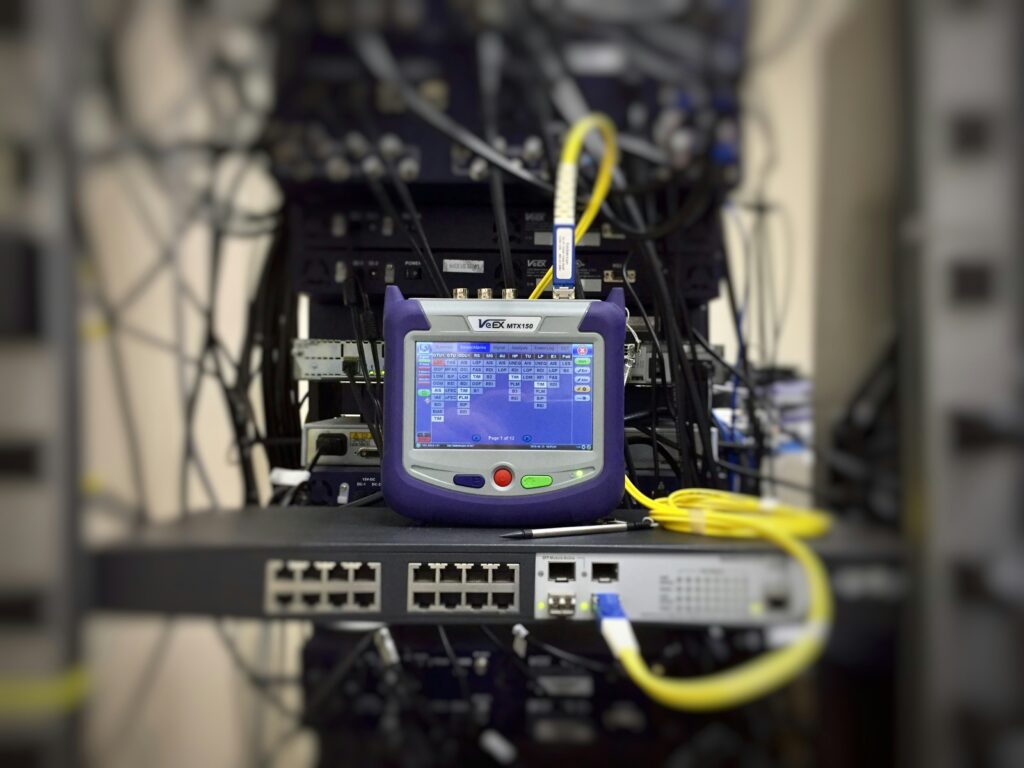
CCNA Networking
Networking was the hardest subject for me to learn. Subnetting took me weeks. But once it clicked, everything made sense. CCNA was the certification that got me my first real IT job.
Learn networking first if you want to understand how IT really works. It is not the easiest path. But it is the most foundational.
Section 2: SQL (Database Management)
The Language of Data
Essential for Data Careers: At Trendsetter Institute Talagang, we recognize that data is the fuel for modern businesses. If you are trying to determine which IT skill to learn first for a career in data analysis or backend development, SQL is an unbeatable choice.
Ease of Learning: One reason we recommend SQL at our institute is its simplicity. For beginners who are unsure which IT skill to learn first, SQL provides a quick win because you can master the basic queries in just a few weeks.
Universal Application: Whether you become a web developer, a cloud architect, or a security analyst, you will eventually need to interact with databases. Learning SQL early helps you settle the debate of which IT skill to learn first by giving you a tool that works across almost all IT domains.
What is SQL and Database Management?
SQL (Structured Query Language) is the language used to communicate with databases. Database management is storing, organizing, and retrieving data.
In simple words: Databases are where all the important information lives. SQL is how you talk to databases.
Who Should Learn SQL First?
| Learn SQL first if… | Do NOT learn SQL first if… |
| You enjoy working with data | You find spreadsheets boring |
| You are analytical and detail-oriented | You want to build websites or apps |
| You want to work in data analysis or BI | You prefer visual tools over queries |
| You like solving puzzles (finding data) | You want immediate visual results |
What You Will Learn (SELECT, INSERT, UPDATE, DELETE, JOINs)
| Topic | What It Is |
| SELECT | Get data from database |
| INSERT | Add new data |
| UPDATE | Change existing data |
| DELETE | Remove data |
| WHERE | Filter results |
| JOINs | Combine data from multiple tables |
| GROUP BY | Summarize data |
Job Roles After SQL (Database Administrator, Data Analyst)
| Job Title | What You Do | Experience Needed |
| Junior DBA | Basic database maintenance | 0-2 years |
| Database Administrator | Manage backups, performance, security | 2-5 years |
| Data Analyst | Query data for insights | 1-3 years |
| Database Architect | Design database systems | 5-8 years |
Salary Expectations ($55,000 – $130,000+)
| Experience Level | Average Salary |
| Entry-level (0-2 years) | $45,000 – $60,000 |
| With SQL skills (0-2 years) | $50,000 – $65,000 |
| Mid-level DBA (3-5 years) | $70,000 – $95,000 |
| Senior DBA (5+ years) | $95,000 – $130,000+ |
Learning Difficulty (1-10 scale): 3/10
| Aspect | Difficulty |
| Basic queries (SELECT, WHERE) | Very Easy |
| INSERT, UPDATE, DELETE | Easy |
| JOINs (combining tables) | Moderate |
| Subqueries | Moderate |
| Advanced topics (window functions) | Moderate-Hard |
Time to Become Job-Ready
| Path | Time (Daily 1-2 hours) |
| SQL basics | 2-4 weeks |
| Intermediate SQL (JOINs, GROUP BY) | 1-2 months |
| Job-ready (with portfolio) | 2-3 months |
Pros and Cons of Starting with SQL
| Pros | Cons |
| Very easy to learn basics | Only useful if you work with data |
| High demand (every company has data) | Not a complete IT skill alone |
| SQL is universal (works everywhere) | Can be repetitive |
| Great for analytical people | Less creative than web development |
| Quick to learn (2-3 months to job-ready) | Limited to database work |
Learn SQL
SQL was the easiest IT skill I learned. We have learned basic queries in 2 weeks. The are querying real databases in 1 month. It is not hard. And it is incredibly useful.
Learn SQL. It takes 2-4 weeks. It is not hard. And it will help you in almost every IT job. Even if you specialize in networking or cloud, you will still need to query data sometimes.

Section 3: Linux
The Operating System of Servers
The Power of Open Source: Most of the world’s servers and cloud infrastructures run on Linux. At Trendsetter Institute, we guide our students to understand that Linux is a core requirement for modern IT roles.
Foundational Knowledge: If your goal is to work in Cloud or DevOps, then which IT skill to learn first becomes a simple question: Linux. Mastery of the command line at our institute prepares you for the complex environments of AWS and Azure.
What is Linux Administration?
Linux is an open-source operating system. Most servers in the world run Linux. Linux administration is managing those servers users, files, processes, networking.
In simple words: Linux is the boss of most servers. If you want to work with servers, you need Linux.
Who Should Learn Linux First?
| Learn Linux first if… | Do NOT learn Linux first if… |
| You want to work with servers | You hate the command line |
| You are interested in cloud (cloud runs on Linux) | You only want to work with Windows |
| You like control and customization | You want immediate visual results |
| You want to be a system administrator | You find text-based interfaces frustrating |
What You Will Learn (Command Line, File System, Permissions, Bash Scripting)
| Topic | What It Is |
| Command line | Typing commands instead of clicking |
| File system | Where files are stored (/home, /etc, /var) |
| Permissions | Who can read/write/execute files (chmod) |
| User management | Adding, modifying, deleting users |
| Process management | ps, top, kill, systemctl |
| Bash scripting | Automating tasks with scripts |
| Networking | ip, ping, netstat, ss |
Job Roles After Linux (Linux Administrator, System Administrator)
| Job Title | What You Do | Experience Needed |
| Junior Linux Admin | Basic server maintenance | 0-2 years |
| Linux Administrator | Manage Linux servers | 2-4 years |
| System Administrator | Manage Windows and Linux servers | 2-5 years |
| DevOps Engineer | Automation, cloud, containers | 3-6 years |
Salary Expectations ($50,000 – $120,000+)
| Experience Level | Average Salary |
| Entry-level (0-2 years) | $45,000 – $60,000 |
| With Linux skills (0-2 years) | $50,000 – $65,000 |
| Mid-level Linux Admin (3-5 years) | $65,000 – $90,000 |
| Senior Linux Admin (5+ years) | $90,000 – $120,000+ |
Learning Difficulty (1-10 scale): 5/10
| Aspect | Difficulty |
| Basic commands (ls, cd, pwd) | Easy |
| File permissions (chmod) | Moderate |
| User management | Easy-Moderate |
| Process management | Easy-Moderate |
| Bash scripting | Moderate |
| Networking commands | Moderate |
Time to Become Job-Ready
| Path | Time (Daily 1-2 hours) |
| Linux basics (commands) | 1-2 months |
| Intermediate Linux | 2-3 months |
| Job-ready (with scripting) | 3-4 months |
Pros and Cons of Starting with Linux
| Pros | Cons |
| Free (no licensing cost) | Command line can be intimidating |
| Most servers run Linux | Less user-friendly than Windows |
| Essential for cloud and DevOps | Fewer GUI tools (you type commands) |
| High demand for Linux skills | Steeper learning curve than Windows |
| Great for automation (bash scripting) | Can be frustrating for beginners |
Linux
Overcoming the Learning Curve: Linux can feel intimidating at first because the command line often seems scary to beginners.
The 30-Day Rule: By installing Ubuntu on an old laptop and committing to daily use, most students find they become comfortable within just 30 days.
Professional Preference: After three months of consistent practice, many professionals actually prefer Linux over Windows for complex server work.
The Foundation of Success: Learning Linux is essential for anyone interested in Cloud, Servers, and DevOps, regardless of which IT skill to learn first.
A Universal Requirement: Even if a student chooses to specialize in another area, having basic Linux skills is a massive advantage when deciding which IT skill to learn first.
Take the Leap: At Trendsetter Institute, we encourage you to move past the fear and include Linux in your roadmap of which IT skill to learn first to ensure long-term career stability.

Section 4: Web Development (HTML, CSS, JavaScript)
Building Websites
Immediate Visual Impact: At Trendsetter Institute Talagang, we see many students gravitate toward Web Development because of the instant results.
Creative Career Path: If you are a creative individual wondering which IT skill to learn first, Web Development offers a unique blend of design and logic.
Freelance Opportunities: Our instructors highlight that this path is excellent for those who want to start freelancing quickly.
Foundation for Beginners: For someone deciding which IT skill to learn first without wanting to touch complex server hardware, HTML and CSS are the most accessible entry points.
What is Web Development?
Web development is building websites and web applications. HTML provides structure, CSS provides style, and JavaScript provides interactivity.
In simple words: Web development is how we create things on the internet.
Who Should Learn Web Development First?
| Learn web development first if… | Do NOT learn web development first if… |
| You want to build websites or apps | You want to work with servers or networks |
| You like seeing visual results | You prefer backend or infrastructure work |
| You are creative | You find design and styling frustrating |
| You want to freelance (many web dev jobs) | You want to work in cloud or cybersecurity |
What You Will Learn (HTML Structure, CSS Styling, JavaScript Interactivity)
| Topic | What It Is |
| HTML | Structure of webpages (headings, paragraphs, images) |
| CSS | Style and design (colors, fonts, layout) |
| JavaScript | Interactivity (buttons, forms, animations) |
Job Roles After Web Development (Web Developer, Frontend Developer)
| Job Title | What You Do | Experience Needed |
| Junior Web Developer | Build and maintain websites | 0-2 years |
| Frontend Developer | Focus on what users see | 1-3 years |
| Full-Stack Developer | Frontend + backend | 2-4 years |
| UI/UX Developer | Focus on design and usability | 2-5 years |
Salary Expectations ($50,000 – $120,000+)
| Experience Level | Average Salary |
| Entry-level (0-2 years) | $45,000 – $65,000 |
| Junior Web Developer | $50,000 – $70,000 |
| Mid-level (3-5 years) | $70,000 – $95,000 |
| Senior (5+ years) | $95,000 – $130,000+ |
Learning Difficulty (1-10 scale): 4/10
| Aspect | Difficulty |
| HTML basics | Very Easy |
| CSS basics | Easy |
| CSS layout (Flexbox, Grid) | Moderate |
| JavaScript basics | Easy-Moderate |
| JavaScript advanced (async, APIs) | Moderate-Hard |
Time to Become Job-Ready
| Path | Time (Daily 1-2 hours) |
| HTML + CSS basics | 1-2 months |
| JavaScript basics | 1-2 months |
| Build portfolio projects | 2-3 months |
| Job-ready | 4-6 months |
Pros and Cons of Starting with Web Development
| Pros | Cons |
| Immediate visual results (see what you build) | Competitive field (many web developers) |
| Creative and fun | Requires learning multiple languages (HTML, CSS, JS) |
| Many freelance opportunities | Less focus on infrastructure |
| High demand | Changes fast (new frameworks every year) |
| Easy to start (just a browser and text editor) | Not directly related to IT infrastructure |
Web Development
Web development was my first programming experience. Seeing my code become a webpage in seconds was magical. It kept me motivated. But web development is different from IT infrastructure. It is more creative, less about troubleshooting.
Learn web development if you want to build things. It is a great skill. But if you want to work in IT infrastructure (networks, servers, cloud), focus on networking, Linux, or cloud instead.

Section 5: Cybersecurity
Protecting Digital Assets
The Gold Standard of IT: Cybersecurity is one of the most exciting fields taught at Trendsetter Institute.
Prerequisite Warning: We often advise our students that while security is rewarding, it is rarely the answer to which IT skill to learn first because it requires a solid understanding of networks and operating systems.
Long-term Strategy: If you are planning which IT skill to learn first with the ultimate goal of becoming a security expert, we recommend starting with CCNA or Linux first.
High Demand in Talagang: As businesses go digital, the need for security professionals in our region and beyond is growing rapidly.
What is Cybersecurity?
Cybersecurity is the practice of protecting computers, networks, data, and programs from digital attacks.
In simple words: Cybersecurity is keeping the bad guys out of your systems.
Who Should Learn Cybersecurity First?
| Learn cybersecurity first if… | Do NOT learn cybersecurity first if… |
| You are interested in security and hacking | You have no IT foundation (learn basics first) |
| You like puzzles and finding vulnerabilities | You want to build things, not protect them |
| You are detail-oriented and paranoid (good trait) | You want immediate results |
| You want a high-paying, in-demand field | You get frustrated easily |
What You Will Learn (Threats, Encryption, Firewalls, Security Best Practices)
| Topic | What It Is |
| Threats | Phishing, malware, ransomware, social engineering |
| Encryption | Protecting data so only authorized people can read it |
| Firewalls | Controlling network traffic |
| Security best practices | Strong passwords, MFA, backups |
| Ethical hacking | Finding vulnerabilities before attackers do |
Job Roles After Cybersecurity (Security Analyst, Security Engineer)
| Job Title | What You Do | Experience Needed |
| Security Analyst | Monitor for threats, respond to incidents | 1-3 years |
| Security Engineer | Build security systems | 3-5 years |
| Penetration Tester | Ethically hack to find vulnerabilities | 2-4 years |
| Security Architect | Design security solutions | 5-8 years |
Salary Expectations ($65,000 – $150,000+)
| Experience Level | Average Salary |
| Entry-level (0-2 years) | $55,000 – $75,000 |
| Security Analyst (2-4 years) | $70,000 – $95,000 |
| Security Engineer (3-5 years) | $90,000 – $130,000 |
| Senior (5+ years) | $120,000 – $160,000+ |
Learning Difficulty (1-10 scale): 6/10
| Aspect | Difficulty |
| Security concepts | Easy-Moderate |
| Encryption basics | Moderate |
| Network security | Moderate-Hard |
| Ethical hacking | Hard |
| Compliance (GDPR, HIPAA) | Moderate |
Time to Become Job-Ready
| Path | Time (Daily 1-2 hours) |
| Security basics (Security+) | 2-3 months |
| With IT foundation | 6-12 months |
| Without IT foundation | 12-18 months |
Pros and Cons of Starting with Cybersecurity
| Pros | Cons |
| High demand (shortage of professionals) | Requires strong IT foundation first |
| High salaries | Can be stressful (attacks happen) |
| Exciting and interesting | Many certifications required |
| Never boring | Not entry-level (needs experience) |
| Job security | Requires continuous learning |

Cybersecurity
when some teammate did not start with cybersecurity. They learned networking and Linux first. Then they moved to security. Cybersecurity requires understanding what you are protecting. You cannot secure a network if you do not understand networking.
Do not start with cybersecurity. Learn networking, Linux, and operating systems first. Then specialize in security. Cybersecurity is not entry-level.
Section 6: Cloud Computing (AWS/Azure)
The Future of IT
The Modern Standard: At Trendsetter Institute Talagang, we recognize that the cloud is where modern business happens.
A High-Level Goal: While many beginners ask which IT skill to learn first, our expert instructors usually recommend Cloud Computing as a second or third step after mastering Networking.
Career Growth: If you are deciding which IT skill to learn first with the sole aim of reaching the highest salary bracket, the Cloud should be your ultimate destination.
Hands-on labs: At our institute, we emphasize that Cloud is not entry-level, but it is the best long-term answer for those who have already built a strong IT foundation.
What is Cloud Computing?
Cloud computing is delivering computing services (servers, storage, databases, networking) over the internet instead of owning physical hardware.
In simple words: Renting IT resources instead of buying them.
Who Should Learn Cloud First?
| Learn cloud first if… | Do NOT learn cloud first if… |
| You already understand basic networking | You have no IT foundation |
| You want to work in modern IT | You do not understand servers |
| You are interested in DevOps | You have no Linux experience |
| You want high salary and remote work | You prefer on-premises infrastructure |
What You Will Learn (EC2, S3, VPC, Virtual Machines, Storage)
| Topic | AWS Service | Azure Service | What It Is |
| Compute | EC2 | Virtual Machines | Rent virtual servers |
| Storage | S3 | Blob Storage | Store files, images, backups |
| Networking | VPC | Virtual Network | Isolated network in cloud |
| Databases | RDS | SQL Database | Managed databases |
| Security | IAM | Azure AD | Control who can access what |
Job Roles After Cloud (Cloud Administrator, Cloud Engineer, Cloud Architect)
| Job Title | What You Do | Experience Needed |
| Cloud Administrator | Manage cloud resources | 1-3 years |
| Cloud Engineer | Build and deploy cloud solutions | 2-4 years |
| DevOps Engineer | Automate deployments, CI/CD | 3-5 years |
| Cloud Architect | Design cloud solutions | 5-8 years |
Salary Expectations ($65,000 – $160,000+)
| Experience Level | Average Salary |
| Entry-level (0-2 years) | $60,000 – $80,000 |
| Cloud Administrator (2-4 years) | $75,000 – $100,000 |
| Cloud Engineer (3-5 years) | $90,000 – $130,000 |
| Cloud Architect (5+ years) | $120,000 – $170,000+ |
Learning Difficulty (1-10 scale): 6/10
| Aspect | Difficulty |
| Cloud concepts (IaaS, PaaS, SaaS) | Easy |
| AWS/Azure basics | Moderate |
| Networking in cloud (VPC) | Moderate-Hard |
| Identity and Access Management (IAM) | Moderate |
| Automation (Infrastructure as Code) | Hard |
Time to Become Job-Ready
| Path | Time (Daily 1-2 hours) |
| Cloud basics (AWS Cloud Practitioner) | 2-4 weeks |
| With IT foundation (networking + Linux) | 3-6 months |
| Without IT foundation | 6-12 months |
Pros and Cons of Starting with Cloud
| Pros | Cons |
| Highest demand skill | Requires IT foundation (networking, Linux) |
| Highest salaries | Changes fast (new services constantly) |
| Remote work opportunities | Many services to learn |
| Future of IT | Not entry-level (needs experience) |
| Fun and interesting | Cloud certifications are not cheap |
Cloud Computing
Cloud computing changed our career. We learned AWS after already knowing networking and Linux. The transition was smooth. If they were tried to learn cloud without foundation, would have been lost.
Do not start with cloud. Learn networking and Linux first. Then learn cloud. Cloud is not entry-level. But it is the best long-term career choice.

Section 7: Python Programming
The IT Professional’s Swiss Army Knife
Ultimate Versatility: Python is perhaps the most flexible tool we teach at Trendsetter Institute.
The Beginner’s Choice: If you are a complete newcomer wondering which IT skill to learn first, Python is often the most encouraging choice because its syntax is so close to English.
Automation Focus: For students who want to automate boring tasks, the question of which IT skill to learn first is easily answered by Python’s powerful scripting capabilities.
A Universal Tool: Whether you end up in Networking or Web Development, knowing Python will make you a more valuable professional in the eyes of any employer.
What is Python Programming?
Python is a programming language known for being easy to learn and powerful. It is used for automation, data analysis, web development, and more.
In simple words: Python is like a Swiss Army knife for IT professionals. You can use it for almost anything.

Who Should Learn Python First?
| Learn Python first if… | Do NOT learn Python first if… |
| You want to automate repetitive tasks | You hate coding or logic |
| You are interested in DevOps | You want to work only with hardware |
| You want to work with data | You prefer clicking over typing |
| You want a versatile skill (used everywhere) | You want immediate infrastructure results |
What You Will Learn (Variables, Loops, Functions, Automation Scripts)
| Topic | What It Is |
| Variables | Storing data (name = “John”) |
| Loops | Repeating actions (for, while) |
| Functions | Reusable code blocks |
| Conditionals | If/else logic |
| File handling | Reading and writing files |
| Automation | Scripts to do tasks automatically |
Job Roles After Python (IT Automation Specialist, DevOps, Python Developer)
| Job Title | What You Do | Experience Needed |
| IT Automation Specialist | Write scripts to automate IT tasks | 1-3 years |
| DevOps Engineer | Automate deployments, CI/CD | 2-4 years |
| Python Developer | Build applications | 1-3 years |
| Data Analyst | Analyze data with Python | 1-3 years |
Salary Expectations ($55,000 – $130,000+)
| Experience Level | Average Salary |
| Entry-level (0-2 years) | $50,000 – $70,000 |
| With Python skills (0-2 years) | $55,000 – $75,000 |
| Mid-level (3-5 years) | $75,000 – $100,000 |
| Senior (5+ years) | $100,000 – $140,000+ |
Learning Difficulty (1-10 scale): 2/10
| Aspect | Difficulty |
| Python basics (variables, loops, functions) | Very Easy |
| File handling | Easy |
| Automation scripts | Easy-Moderate |
| APIs and web requests | Moderate |
Time to Become Job-Ready
| Path | Time (Daily 1-2 hours) |
| Python basics | 2-4 weeks |
| Intermediate Python | 2-3 months |
| Job-ready (with portfolio) | 3-4 months |
Pros and Cons of Starting with Python
| Pros | Cons |
| Very easy to learn | Not a complete IT skill alone |
| Extremely versatile | Does not teach hardware or networking |
| High demand | Less directly related to IT infrastructure |
| Great for automation | Python alone may not get you an IT job |
| Free and lots of resources | You need other skills too |
Learn Python Programming:
Python was our first programming language. It was easy. Our teams start writing useful scripts in 2 weeks. Python saved me hours of manual work. It made me more valuable at my job.
Learn Python. Even if you specialize in networking or cloud, Python will help you automate tasks. It is not a complete IT skill alone, but it is a great addition to any IT skill.

Section 8: Side-by-Side Comparison Table
Evaluating Your Options: At Trendsetter Institute, we created this table to help you visualize the differences between each path.
The Big Picture: If you are looking for a data-driven answer to which IT skill to learn first, comparing difficulty, time, and salary side-by-side is the best approach.
Local vs. Global Demand: While demand is high globally, we have tailored this comparison to reflect what is currently most valuable for students in the Talagang region.
Complete Comparison of All 7 IT Skills
| Skill | Difficulty | Time to Job-Ready | Entry Salary | Senior Salary | Job Demand |
| CCNA (Networking) | 7/10 | 6-9 months | $50-65k | $95-130k | High |
| SQL (Databases) | 3/10 | 2-3 months | $50-65k | $95-130k | High |
| Linux | 5/10 | 3-4 months | $50-65k | $90-120k | Very High |
| Web Development | 4/10 | 4-6 months | $50-70k | $95-130k | Very High |
| Cybersecurity | 6/10 | 12-18 months | $65-85k | $120-160k | Very High |
| Cloud (AWS/Azure) | 6/10 | 6-12 months | $65-85k | $120-170k | Highest |
| Python | 2/10 | 3-4 months | $55-75k | $100-140k | High |
Difficulty Comparison (Easiest to Hardest)
text
Easy ────────────────────────────────────────────────────────────────────── Hard
Python (2/10) ─ SQL (3/10) ─ Web Dev (4/10) ─ Linux (5/10) ─ Security (6/10) ─ Cloud (6/10) ─ CCNA (7/10)
Salary Comparison (Highest to Lowest – Senior Level)
text
Highest ────────────────────────────────────────────────────────────────────── Lowest
Cloud ($170k) ─ Security ($160k) ─ CCNA ($130k) ─ SQL ($130k) ─ Web Dev ($130k) ─ Python ($140k) ─ Linux ($120k)
Time to Job-Ready (Fastest to Slowest)
text
Fastest ────────────────────────────────────────────────────────────────────── Slowest
SQL (2-3 months) ─ Python (3-4 months) ─ Linux (3-4 months) ─ Web Dev (4-6 months) ─ CCNA (6-9 months) ─ Cloud (6-12 months) ─ Security (12-18 months)
Job Demand Comparison
| Demand Level | Skills |
| Highest | Cloud (AWS/Azure) |
| Very High | Cybersecurity, Linux, Web Development |
| High | CCNA, SQL, Python |
Section 09:Decision Framework:
Which IT Skill to Learn First?
A Personalized Approach: At Trendsetter Institute Talagang, we believe there is no “one-size-fits-all” answer to which IT skill to learn first.
The 10-Question Test: Use our specific questionnaire to identify your personality type and match it with a technical career.
Expert Recommendations: Based on our experience with hundreds of students, the question of which IT skill to learn first usually comes down to whether you prefer building (Web Dev), protecting (Security), or connecting (Networking).
Beginner-Friendly Paths: If you have zero technical background and are worried about which IT skill to learn first, our instructors highly suggest starting with SQL or Python due to their gentle learning curves.
When deciding which IT skill to learn first, you should consider both salary and your personal interest.”
“At Trendsetter Institute, we believe that understanding your goals helps you realize which IT skill to learn first.
10 Questions to Ask Yourself
| Question | If Yes → | If No → |
| 1. Do you want to understand how the internet works? | CCNA (Networking) | Continue |
| 2. Do you enjoy working with data and spreadsheets? | SQL (Databases) | Continue |
| 3. Are you comfortable with the command line? | Linux | Continue |
| 4. Do you want to build websites and see visual results? | Web Development | Continue |
| 5. Do you have IT experience (not a complete beginner)? | Cybersecurity or Cloud | Continue |
| 6. Do you want the highest salary potential? | Cloud | Continue |
| 7. Do you want to automate repetitive tasks? | Python | Continue |
| 8. Are you a complete beginner with no IT knowledge? | SQL or Python or Web Dev | Continue |
| 9. Do you prefer hardware and troubleshooting? | CCNA (Networking) or Linux | Continue |
| 10. Do you want to work remotely? | Cloud or Web Development | Any skill |
Decision Tree / Flowchart
text
Start Here
│
▼
Are you a complete beginner (no IT knowledge)?
│
├── Yes ──────────────────► SQL or Python or Web Development
│ (easiest to start)
│
└── No (some IT knowledge)
│
▼
What interests you most?
│
├── How networks work ──────► CCNA (Networking)
│
├── Data and databases ─────► SQL
│
├── Servers and command line ► Linux
│
├── Building websites ──────► Web Development
│
├── Security and hacking ───► Cybersecurity (after foundation)
│
├── Modern cloud ───────────► Cloud (after networking + Linux)
│
└── Automation ─────────────► Python (with any path)
Recommendations Based on Your Goals
| Your Goal | Best First Skill | Why |
| Get a job fastest | SQL or Web Development | Fastest to learn (2-6 months) |
| Highest salary potential | Cloud (AWS/Azure) | Highest paying, but needs foundation |
| Work remotely | Web Development or Cloud | Many remote jobs |
| Job security | CCNA or Linux | Foundational skills always in demand |
| Most interesting | Cybersecurity | Exciting, but needs foundation first |
| Most versatile | Python | Use with any other skill |
| Best for beginners | SQL or Python | Easiest learning curve |
Recommendations Based on Your Personality
| Personality | Best First Skill | Why |
| Analytical, detail-oriented | SQL (Databases) | Working with data requires precision |
| Problem-solver, likes puzzles | CCNA (Networking) | Troubleshooting networks is puzzle-solving |
| Creative, likes visuals | Web Development | See what you build immediately |
| Likes control, command line | Linux | Full control over the system |
| Paranoid, security-minded | Cybersecurity | Protect systems from attacks |
| Future-focused, ambitious | Cloud | Future of IT |
| Practical, likes automation | Python | Automate boring tasks |
Recommendations Based on Your Background
| Background | Best First Skill | Why |
| No IT experience | SQL or Python | Easiest to learn |
| Help desk / support | CCNA or Linux | Build on troubleshooting experience |
| Coding experience | Python or Web Development | Already know programming concepts |
| Math/analytics background | SQL | Natural fit for data work |
| Hardware experience | CCNA or Linux | Build on hardware knowledge |
Section 10: Learning Paths Based on Your Choice
The Traditional Route: At Trendsetter Institute Talagang, we often suggest that those who want a deep understanding of infrastructure should realize which IT skill to learn first is Networking (CCNA), followed by Linux.
The Developer Route: If you are a student wondering which IT skill to learn first to enter the software industry, our instructors recommend a path starting with Python and moving into Web Development.
The Data Route: For those looking to manage big data, the decision of which IT skill to learn first is simplified: start with SQL and then progress to Cloud Computing.
Structured Success: By following these specific paths at our institute, you avoid the confusion of jumping between unrelated technologies.
Path 1: Networking First (CCNA)
| Month | Focus | Tasks |
| 1-2 | Networking basics | IP addresses, ping, traceroute |
| 3-4 | CCNA study | Subnetting, routing, switching |
| 5-6 | CCNA exam prep | Practice exams, labs |
| 7-9 | Job search | Apply for network support roles |
Next skill to learn: Linux → Cloud
Path 2: Databases First (SQL)
| Month | Focus | Tasks |
| 1 | SQL basics | SELECT, WHERE, INSERT, UPDATE, DELETE |
| 2 | Intermediate SQL | JOINs, GROUP BY, subqueries |
| 3 | Portfolio projects | Build sample databases |
| 4 | Job search | Apply for junior DBA or data analyst roles |
Next skill to learn: Python (for data analysis) → Linux
Path 3: Linux First
| Month | Focus | Tasks |
| 1-2 | Linux basics | Install Ubuntu, basic commands |
| 3-4 | Intermediate Linux | Users, permissions, processes |
| 5-6 | Bash scripting | Automate tasks with scripts |
| 7-8 | Job search | Apply for junior Linux admin roles |
Next skill to learn: Cloud (AWS/Azure) or Python
Path 4: Web Development First
| Month | Focus | Tasks |
| 1-2 | HTML + CSS | Build static webpages |
| 3-4 | JavaScript basics | Add interactivity |
| 5-6 | Portfolio projects | Build 3-5 websites |
| 7-8 | Job search | Apply for junior web developer roles |
Next skill to learn: Backend (Node.js, Python) or SQL
Path 5: Cybersecurity First (Not Recommended for Beginners)
| Month | Focus | Tasks |
| 1-6 | IT foundation | Networking, Linux, operating systems |
| 7-12 | Security+ certification | Security fundamentals |
| 13-18 | Specialize | CEH, advanced security |
Next skill to learn: Cloud security or Python for security
Path 6: Cloud First (Not Recommended for Beginners)
| Month | Focus | Tasks |
| 1-6 | IT foundation | Networking, Linux |
| 7-9 | Cloud basics | AWS Cloud Practitioner or Azure AZ-900 |
| 10-12 | Cloud certification | AWS Solutions Architect or Azure Admin |
| 13-15 | Job search | Apply for cloud admin roles |
Next skill to learn: DevOps, Kubernetes, Infrastructure as Code
Path 7: Python First
| Month | Focus | Tasks |
| 1 | Python basics | Variables, loops, functions |
| 2 | Intermediate Python | File handling, automation |
| 3 | Portfolio projects | Build automation scripts |
| 4 | Job search | Apply for IT automation roles |
Next skill to learn: Linux or SQL or Networking
Section 11: Can You Learn Multiple Skills at Once?
The Focus Strategy: At Trendsetter Institute Talagang, we generally advise beginners to focus on one domain at a time to ensure deep understanding.
Avoiding Overload: If you are struggling to decide which IT skill to learn first, trying to learn three things at once will only lead to burnout.
Logical Pairing: However, some skills work well together; for example, learning Linux while you study CCNA can be very effective.
Our Recommendation: The most successful students at our institute are those who identify which IT skill to learn first, master its fundamentals, and then layer on a secondary skill.
Guided Learning: At Trendsetter Institute, our instructors help you create a balanced schedule so you don’t feel overwhelmed while starting your journey.
Why Focusing on One Skill is Better
| Focus on One Skill | Learn Multiple at Once |
| Master one skill in 3-6 months | Know bits of many skills in 6 months |
| Get job faster | Take longer to be job-ready |
| Less overwhelmed | More overwhelmed |
| Clear learning path | Confused where to focus |
Focus on one skill for 3-6 months. Master it. Then add another skill. Do not try to learn everything at once.
How Skills Complement Each Other
| Primary Skill | Complementary Skills | Why |
| CCNA (Networking) | Linux, Cloud | Cloud runs on networks and Linux |
| SQL (Databases) | Python, Linux | Python for data analysis, Linux for database servers |
| Linux | Cloud, Python | Cloud runs on Linux, Python for automation |
| Web Development | SQL, Python | SQL for data, Python for backend |
| Cybersecurity | CCNA, Linux, Cloud | Need foundation to secure |
| Cloud | CCNA, Linux, Python | Cloud requires networking and Linux |
| Python | SQL, Linux, Cloud | Automate databases, Linux, cloud |
Recommended Order to Learn Multiple Skills
| If you want to work in… | Learn in this order |
| Networking | CCNA → Linux → Cloud |
| Databases | SQL → Python → Linux |
| System Administration | Linux → CCNA → Python |
| Web Development | HTML/CSS → JavaScript → SQL → Python |
| Cybersecurity | CCNA → Linux → Security+ → Cloud |
| Cloud | CCNA → Linux → AWS/Azure → Python |
| DevOps | Linux → Python → Cloud → Containers |
Section 12: Common Mistakes When Choosing an IT Skill
Following the Hype: Many students at Trendsetter Institute make the mistake of choosing a field just because it’s “trending” without checking the prerequisites.
Ignoring the Basics: A frequent error when deciding which IT skill to learn first is skipping the fundamentals like networking or hardware knowledge.
Over-complicating the Choice: Some beginners spend months researching which IT skill to learn first instead of actually starting a course and gaining hands-on experience.
Neglecting Soft Skills: At Trendsetter Institute Talagang, we remind our students that technical skills must be paired with good communication and problem-solving abilities.
Lack of Consistency: Switching between different paths because one seems “hard” is a major setback; once you choose which IT skill to learn first, stay committed until you finish the module.
Mistake 1: Choosing Based on Salary Alone
The mistake: “Cloud pays the most, so I will learn cloud first.”
Why it is a mistake: Cloud is not entry-level. You need networking and Linux foundation. Without foundation, you will struggle.
Better approach: Choose a skill that matches your current level. Start with SQL, Python, or web development. Then move to cloud.
Mistake 2: Starting with the Hardest Skill
The mistake: “I want to be a cybersecurity expert, so I will start with hacking.”
Why it is a mistake: Cybersecurity requires understanding what you are protecting. You cannot secure a network if you do not understand networking.
Better approach: Start with networking or Linux. Then move to security.
Mistake 3: Switching Skills Too Often
The mistake: Learn networking for 2 weeks → switch to Python for 2 weeks → switch to cloud for 2 weeks.
Why it is a mistake: You never master any skill. You stay a beginner forever.
Better approach: Pick one skill. Commit to 3-6 months. Master it. Then decide if you want to switch.
Mistake 4: Not Considering Your Local Job Market
- The Common Error: Many students think, “Everyone says Cloud Computing pays the most, so I will learn that first,” without checking the demand in their own city.
- Why It Fails: If you are looking for work in Talagang or nearby areas, your local job market might have a higher demand for Web Development or SEO than for complex Cloud architecture.
- The Better Approach: Before deciding which IT skill to learn first, search local job portals or visit us at Trendsetter Institute to see which skills employers in our region are actually hiring for.
- Strategic Choice: Aligning your choice of which IT skill to learn first with the local economy ensures you can find a high-paying job immediately after completing your course.
Mistake 5: Ignoring Your Natural Interests
Long-Term Success: Success in the digital world comes to those who are curious; let your interests guide you in choosing which IT skill to learn first.
The Common Error: “I hate networking, but it pays well, so I will force myself to study it”.
Why It Fails: If you have no passion for the subject, you will likely burn out or struggle to stay consistent, regardless of which IT skill to learn first.
The Better Approach: You will learn significantly faster and enjoy your career more if you choose a path that truly interests you.
Finding Your Passion: At Trendsetter Institute Talagang, we recommend that when you are deciding which IT skill to learn first, you pick the one that feels like a hobby rather than a chore.
Section 13:The Trendsetter Institute Verdict
The Power of Starting: At Trendsetter Institute Talagang, we believe that the most important part of your journey is simply beginning.
Summarizing the Choice: After reviewing all these paths, if you are still undecided on which IT skill to learn first, we suggest a short consultation with our expert lab instructors.
A Proven Path: Most successful alumni from Trendsetter Institute found that their decision on which IT skill to learn first was less important than their commitment to daily practice.
Consistency is Key: Whether you choose Coding or Networking, the question of which IT skill to learn first becomes easy once you see the real-world results of your training.
Join Our Community: Don’t let the fear of making a “wrong” choice stop you; at Trendsetter Institute Talagang, we provide a clear roadmap regardless of which IT skill to learn first.
Enroll Today: Take the leap and let us help you finalize your answer to which IT skill to learn first by starting your first hands-on lab session today.
Start with What Interests You
Our students tried to learn networking because everyone said it was important. So, they struggled because they were not interested. Then they tried Python. they loved it. They learned fast. Interest matters more than salary.
Choose a skill that excites you. You will learn faster. You will enjoy studying. You will build a career you love.
Our student lines:
Your First Skill is Not Your Last Skill
I started with Python. Then I learned Linux. Then networking. Then cloud. Your first skill is just the beginning. You can always add more.
Do not feel trapped by your first choice. Pick one. Learn it. Then learn another. IT careers are built on multiple skills.
Fundamentals Matter More Than Specialization
The IT professionals who succeed have strong fundamentals. They understand networking, operating systems, and basic programming. Specialization comes later.
Even if you want to specialize in cloud or security, learn networking and Linux first. Fundamentals make specialization easier.
Build Projects, Not Just Watch Tutorials
| Watching Only | Watching + Building |
| You feel like you are learning | You actually learn |
| You forget most of it | You remember because you struggled |
| No portfolio | Portfolio of projects |
| No job offers | Job offers |
I watched hours of tutorials. I learned nothing. Then I built a home lab. I configured a network. I wrote scripts. I learned more in 1 month of building than in 6 months of watching.
Section 14: Quick Summary
Your Roadmap at a Glance
Networking (CCNA): The best choice if you are deciding which IT skill to learn first for a career in infrastructure or security.
Data Management (SQL): A high-value option for those determining which IT skill to learn first to enter the world of data analytics.
Web Development: The ideal path if your answer to which IT skill to learn first involves building visible, creative digital products.
Programming (Python): Often recommended by Trendsetter Institute Talagang for absolute beginners who want to know which IT skill to learn first to master automation.
The Trendsetter Way: No matter which IT skill to learn first, our institute provides the labs and mentorship to ensure you succeed in the competitive IT market.
Section 15: Your Next Steps – From Research to Action
- Final Evaluation: By now, you should have a much clearer perspective on which IT skill to learn first based on your personal goals and the current job market trends.
- The Power of Immersion: At Trendsetter Institute Talagang, we recommend that once you narrow down which IT skill to learn first, you spend at least one week focusing solely on that subject to test your interest.
- Consult with Experts: If you are still feeling stuck, the quickest way to resolve the debate of which IT skill to learn first is to visit our campus and speak with a mentor.
- Avoid Procrastination: The most common reason students fail to start is over-analyzing which IT skill to learn first; remember that any technical skill you master will add value to your professional portfolio.
- Commitment to Excellence: Whether your answer to which IT skill to learn first is Web Development, Networking, or SQL, Trendsetter Institute is here to provide the resources you need for a successful launch.
- Start Your Journey: Don’t wait for the “perfect” moment to decide which IT skill to learn first—your future in the digital world begins the moment you take that first step.
Section 16: Final Words from Trendsetter Institute
- Your Success is Our Goal: At Trendsetter Institute Talagang, our mission is to turn your curiosity into a professional career.
- The Path of Certainty: We understand that the question of which IT skill to learn first can be overwhelming, but every expert in the industry started exactly where you are today.
- A Final Recommendation: If you are still in doubt about which IT skill to learn first, our most successful students are those who simply pick one path and dedicate themselves to it for 90 days.
- The Power of Mentorship: At our institute, we don’t just help you decide which IT skill to learn first; we stay with you until you are ready for the global job market.
- Start Your Transformation: Stop asking which IT skill to learn first and start doing—visit us in Talagang to begin your first practical lab session and change your life today.
Conclusion
Quick Reference: At Trendsetter Institute Talagang, we designed this table to give you a definitive answer based on your specific personality and career goals.
The Beginner’s Choice: If you want a gentle introduction, your answer to which IT skill to learn first should be SQL or Python.
The Hardware Enthusiast: For those who love understanding how machines talk to each other, CCNA is the clear choice for which IT skill to learn first.
The Creative Mind: If you enjoy seeing the immediate results of your work, then Web Development is the best response to which IT skill to learn first.
Final Expert Tip: At our institute, we always remind students that the debate over which IT skill to learn first is secondary to the discipline you bring to your studies every day.
Take the Leap: Visit Trendsetter Institute today to finalize your enrollment and stop wondering which IT skill to learn first.
| Your Situation | My Recommendation | Why |
| Complete beginner, no IT knowledge | SQL or Python | Easiest to learn, fastest results |
| Want to get a job fastest | SQL or Web Development | 2-6 months to job-ready |
| Want highest salary long-term | Cloud (AWS/Azure) | Best pay, but learn networking + Linux first |
| Want to understand how IT works | CCNA (Networking) | Foundation for everything |
| Like working with servers | Linux | Essential for cloud and DevOps |
| Like building things | Web Development | Creative, visual results |
| Interested in security | Cybersecurity | But learn networking + Linux first |
| Like automation | Python | Use with any other skill |
Your Next Step: From Research to Mastery
Final Call: Move beyond the theory of which IT skill to learn first and step into our labs to start building your digital future right now.
Take Decisive Action: It is time to stop reading comparisons and over-analyzing which IT skill to learn first.
Commit to a Path: Choose one specific skill from this comprehensive guide and commit to it, rather than getting stuck in the loop of wondering which IT skill to learn first.
Start Your Journey Today: Whether it is coding, design, or networking, start learning today because the best answer to which IT skill to learn first is the one you actually begin practicing.
The Trendsetter Promise: At Trendsetter Institute, we are ready to transform your decision of which IT skill to learn first into a high-paying professional career.
Here is your 7-day challenge:
| Day | Task |
| Day 1 | Choose your skill (SQL, Python, or Web Dev recommended for beginners) |
| Day 2 | Set up your learning environment (install software, create accounts) |
| Day 3 | Complete first tutorial or lesson |
| Day 4 | Practice what you learned |
| Day 5 | Build something small |
| Day 6 | Review and reinforce |
| Day 7 | Plan your next week of learning |
Final Expert Summary: At Trendsetter Institute, we believe that the journey to professional success begins with clarity on which IT skill to learn first.
The Power of Action: Instead of spending months researching which IT skill to learn first, we encourage you to pick the path that excites you most and start learning today.
A Proven Roadmap: Our curriculum is designed to solve the confusion of which IT skill to learn first by providing structured, hands-on modules for every student.
Long-Term Vision: Once you have decided which IT skill to learn first, stay committed, as the consistency you show now will define your career in the digital world.
Join Our Legacy: Thousands of students in Talagang have already answered the question of which IT skill to learn first by joining our institute and mastering their chosen field.
Next Steps: Visit Trendsetter Institute Talagang today and let our mentors help you finalize which IT skill to learn first so you can start building your future immediately.
Final Encouragement
The skill you choose matters less than your consistency. I have seen successful IT professionals who started with every skill on this list.
Stop researching. Stop comparing. Pick one. Start today. You can always change later.
Finalizing Your Decision
- Self-Assessment: Before you enroll, ask yourself one last time which IT skill to learn first based on your interest in hardware vs. software.
- Market Research: Check local job listings in Talagang to see which IT skill to learn first for immediate employment opportunities near you.
- Time Commitment: Evaluate how many hours you can dedicate daily to determine which IT skill to learn first, as some paths require more intensive study than others.
- The Trendsetter Advantage: At Trendsetter Institute Talagang, we simplify the choice of which IT skill to learn first by offering introductory workshops for all major domains.
- Final Action: Once you have a clear answer on which IT skill to learn first, don’t delay—registration is the bridge between planning and achieving.
Choosing which IT skill to learn first is the most important step in your digital journey. Visit Trendsetter Institute Talagang today to enroll in our expert-led courses and start building your future.
The best IT skill is the one you actually learn and use.
Now go choose your skill and start learning.
Frequently Asked Questions (FAQs)
Before we wrap up this mega-guide, we have compiled a list of the most common queries students ask us at Trendsetter Institute Talagang. If you are still feeling hesitant about which IT skill to learn first, these quick answers will help clarify your doubts and provide the final nudge you need to start your journey. Our goal is to ensure that no student leaves this page confused about which IT skill to learn first or how to begin their professional career.
Q1. Which IT skill should I learn first as a beginner?
Answer: SQL or Python. Both are easy to learn (2-4 weeks for basics). Both are useful. Both have good job demand. , SQL is slightly easier.
Q2. Which IT skill pays the most?
Answer: Cloud computing (AWS/Azure) has the highest salaries ($120k-170k+ for senior roles). Cybersecurity is also high. But these are not entry-level.
Q3. Which IT skill is easiest to learn?
Answer: SQL (easiest), then Python, then web development (HTML/CSS). SQL basics can be learned in 2 weeks.
Q4. Which IT skill gets a job fastest?
Answer: SQL or web development. SQL takes 2-3 months to be job-ready. Web development takes 4-6 months. Help desk (not listed) is fastest but lower pay.
Q5. Should I learn cybersecurity first?
Answer: No. Cybersecurity requires IT foundation (networking, Linux, operating systems). Learn networking first. Then security.
Q6. Should I learn cloud first?
Answer: No. Cloud requires networking and Linux foundation. Learn CCNA and Linux first. Then cloud.
Q7. Is CCNA worth it for beginners?
Answer: Yes, but it is hard. CCNA takes 3-6 months of study. It is worth it for networking careers. But if you want a faster path, start with SQL or Python.
Q8. Is Python enough to get an IT job?
Answer: Python alone is usually not enough. Combine Python with SQL, Linux, or networking. Python is a great addition to any IT skill.
Q9. Is web development considered IT?
Answer: Yes and no. Web development is part of IT, but it is different from infrastructure IT (networking, servers, cloud). Both are valid careers.
Q10. Which skill has the most job openings?
Answer: Web development and cloud have many openings. But check your local job market. Demand varies by location.
Q11. Can I learn multiple IT skills at once?
Answer: Not recommended. Focus on one skill for 3-6 months. Master it. Then add another skill.
Q12. Do I need a degree to learn these skills?
Answer: No. All these skills can be learned for free or low cost online. Certifications help, but degrees are not required.
Q13. Which skill is best for remote work?
Answer: Web development and cloud have the most remote jobs. But many IT roles can be remote.
Q14. How do I know which skill is right for me?
Answer: Try a free tutorial for each skill. See which one you enjoy. Interest matters more than salary.
Q15. What is the difference between CCNA and Network+?
Answer: Network+ is broader, vendor-neutral, and easier. CCNA is Cisco-specific, harder, and more respected. For beginners, start with Network+ or go directly to CCNA.
Q16. Is SQL a complete career?
Answer: SQL alone is not a complete career. Combine SQL with database administration (DBA) skills or data analysis. SQL is a skill, not a job title.
Q17. Do I need to learn Linux for cloud?
Answer: Yes. Most cloud servers run Linux. Learn Linux before cloud.
Q18. Which skill has the best future outlook?
Answer: Cloud computing and cybersecurity. Both are growing fast. But networking and Linux will always be needed.
Q19. Can I get a job with only Python?
Answer: Possibly, but difficult. Python alone is usually not enough. Combine Python with SQL, Linux, or web development.
Q20. What is the best free resource to learn these skills?
Answer:
- SQL: SQLZoo, W3Schools
- Python: FreeCodeCamp, Python.org
- CCNA: Jeremy’s IT Lab (YouTube), Cisco Packet Tracer
- Linux: Linux Journey, Ubuntu tutorials
- Web Dev: FreeCodeCamp, The Odin Project
- Cloud: AWS Free Tier, Microsoft Learn
Q21. How long should I study each day?
Answer: 1-2 hours daily is enough. Consistency matters more than hours. 1 hour daily for 6 months = 180 hours of learning.
Q22. Should I get certified?
Answer: Yes, for some skills. CCNA, AWS, and Security+ certifications are valuable. For SQL and Python, a portfolio matters more than certification.
Q23. What is the hardest IT skill to learn?
Answer: CCNA (networking) is often considered hardest for beginners. Subnetting and routing protocols confuse many people.
Q24. What is the easiest IT skill to learn?
Answer: SQL basics. You can learn SELECT, INSERT, UPDATE, DELETE in 1-2 weeks.
Q25. Can I switch skills later?
Answer: Yes. Many IT professionals switch specializations. I started with Python, then Linux, then networking, then cloud. Skills transfer.
Final Words
Career Evolution: The skill you choose first does not permanently lock in your career path; for instance, I started with Python but now work in Cloud Computing, proving that which IT skill to learn first is simply a starting point for future growth.
The Growth Mindset: Your career will naturally evolve over time, so do not feel pressured that deciding which IT skill to learn first is a final, unchanging decision.
Stop the Loop: Stop researching and stop comparing endlessly the more time you spend overthinking which IT skill to learn first, the more you delay your actual progress.
Take Action Now: Pick one specific skill from this guide and start learning today, because the best way to answer which IT skill to learn first is through hands-on experience.
The Final Verdict: Do not wait for tomorrow; make your choice on which IT skill to learn first right now and take the first step toward your professional transformation.
The best IT skill is the one you actually learn. The second best is the one you learn next.
Now go choose your skill and start your IT journey.
Quick Recap – Which IT Skill to Learn First?
- For Absolute Beginners: If you have zero experience, the best answer to which IT skill to learn first is usually Python or Basic Digital Marketing.
- For Fast Employment: To get a job quickly in the local market, consider which IT skill to learn first based on demand for Office Automation and Web Design.
- For Freelancers: If you want to work from home, deciding which IT skill to learn first should lead you toward SEO or Graphic Design.
- For High Salaries: To aim for the highest pay scales, your choice of which IT skill to learn first should be Cybersecurity or Cloud Computing.
- The Trendsetter Guarantee: At Trendsetter Institute, we help you finalize which IT skill to learn first by matching your natural talents with industry needs.
- Join Us in TrendSetter Institute of computer and digital skill: Visit our campus to resolve your doubts about which IT skill to learn first and start your career with expert lab instructors.